

Telehealth for Cruise Lines: Enhancing Emergency Careew Messaging Apps for Ships

Telehealth is transforming medical care on cruise ships. By connecting onboard medical teams with shore-based specialists in real time, it ensures expert care is available even in the middle of the ocean. Here’s what you need to know:

  • How It Works: High-speed satellite internet enables video consultations, teleradiology, and telecardiology. Medical data and imaging are securely transmitted to specialists onshore for immediate review.
  • Challenges: Connectivity issues, limited onboard medical staff, and costly evacuations highlight the need for telehealth solutions.
  • Key Provider: NT Maritime offers high-speed Starlink-powered internet (up to 220 Mbps download) and secure communication tools tailored for maritime needs.
  • Benefits: Faster diagnoses, reduced evacuation costs, and improved care for passengers and crew. Telehealth also supports mental health services and chronic condition monitoring.

Telehealth is reshaping cruise ship healthcare by improving access to specialists, streamlining emergency responses, and supporting both passengers and crew in remote environments.

Technology Requirements for Telehealth at Sea

Expanding on the earlier discussion about telehealth’s advantages, this section dives into the technical essentials for delivering reliable care in maritime environments. Cruise ships face unique challenges due to their remote locations, where traditional terrestrial networks are unavailable. As a result, advanced technology becomes a lifeline, especially during medical emergencies.

Satellite Internet and Connectivity Solutions

At the heart of maritime telehealth lies high-speed, low-latency satellite internet. Without a dependable connection, even the most sophisticated medical tools and systems can’t function effectively for remote consultations.

Modern satellite technologies have revolutionized telehealth at sea. For instance, NT Maritime’s high-speed satellite internet provides the bandwidth and performance necessary for real-time consultations. This includes video calls and the rapid transmission of medical imaging data, ensuring timely and accurate diagnoses.

Bandwidth needs vary based on the service. A simple voice consultation uses minimal data, while transmitting high-quality radiographic images demands significantly more. To ensure secure communications, Virtual Private Networks (VPNs) work alongside satellite internet, maintaining HIPAA-compliant data transmission.

Leading providers like Inmarsat’s Fleet Xpress and FleetBroadband prioritize medical traffic, ensuring emergency consultations remain uninterrupted even during high-usage periods. These connectivity solutions seamlessly integrate with onboard systems, creating a comprehensive telehealth network.

Integration with Shipboard Medical Systems

For telehealth to be effective, it must seamlessly integrate with a ship’s existing medical infrastructure. This involves more than just internet access – it requires systems that automatically manage patient data, diagnostic images, and clinical notes between the ship and shore-based facilities.

One critical component is Electronic Health Records (EHR) integration. For example, if a passenger experiences chest pain mid-ocean, shore-based specialists need immediate access to their medical history, current medications, and past test results. Modern telehealth platforms ensure this information syncs automatically, enabling continuous care no matter the location.

Other systems, like PACS (Picture Archiving and Communication Systems) and RIS (Radiology Information Systems), handle medical imaging. When a ship’s X-ray machine captures an image, these systems format it for transmission and integrate it with both onboard and shore-based records. Automation plays a key role here, as DICOM gateway nodes manage incoming notifications for consultations, ensuring that medical emergencies are handled swiftly without IT delays.

To address connectivity challenges, SeaSync hybrid technology provides a critical solution. This patented system synchronizes data incrementally, allowing telehealth platforms to remain functional even with limited bandwidth. If the satellite connection drops during a session, the system continues working locally and syncs the data once the connection is restored.

NT Maritime‘s Communication Tools
NT Maritime

After integrating onboard systems, reliable communication tools become essential for effective telehealth. NT Maritime offers a suite of solutions tailored for maritime environments, ensuring seamless coordination between ship and shore.

The backbone of NT Maritime’s telehealth support is a secure communication network that allows HIPAA-compliant consultations. These networks enable various communication methods, including onboard calling, messaging, video calls, and voicemail. This flexibility is crucial for medical staff to connect with specialists in different scenarios.

High-quality video calls are particularly transformative. NT Maritime’s systems enable video consultations over ship WiFi, giving shore-based specialists the ability to visually assess patients and observe symptoms that might be difficult to describe verbally. These video calls integrate directly with the cruise line’s passenger management system, ensuring telehealth becomes part of the overall onboard experience.

In addition to video, secure messaging offers encrypted communication channels for sharing follow-up questions, test results, or treatment updates. This ensures patient privacy while enabling ongoing collaboration between onboard teams and shore-based experts.

NT Maritime’s tools also support both app-to-app and app-to-ship connections, providing redundancy during emergencies. If one method fails, medical staff can quickly switch to another, ensuring uninterrupted communication. With an intuitive interface, the system minimizes the need for extensive training, allowing staff to focus on patient care rather than troubleshooting.

Finally, NT Maritime’s compliance with federal and military security standards ensures these systems meet rigorous requirements, making them suitable for use across government, military, and commercial cruise operations.

Telehealth Services for Cruise Ship Emergencies

Thanks to advanced onboard connectivity, cruise ships now offer telehealth services that significantly improve emergency medical care. These services bridge the gap between the ship’s medical team and shore-based specialists, creating a 24/7 safety net no matter where the ship is located. They work hand-in-hand with the communication technologies discussed earlier.

Common Telehealth Services

Telehealth on cruise ships includes several key services:

  • Teleconsultation: Real-time video or audio sessions with shore-based doctors for immediate diagnosis.
  • Teleradiology: Quick transmission of X-rays for expert review.
  • Telecardiology: Instant analysis of ECG results during cardiac emergencies.
  • Additional Services: Telepsychiatry and teledermatology address mental health and skin conditions, while remote patient monitoring tracks chronic conditions.

Cruise lines have increasingly embraced telehealth services like telepsychiatry and teledermatology to meet the needs of passengers and crew during long voyages. These services are particularly helpful for managing stress, mental health challenges, and skin issues that can develop during extended trips.

Remote patient monitoring adds another layer of care by using devices to track vital signs such as heart rate, blood pressure, and oxygen levels. This data is sent directly to shore-based medical professionals, allowing them to catch potential health problems early and intervene before they worsen.

All of these services contribute to smoother and more effective emergency response processes.

Emergency Response Workflows

Telehealth has redefined how cruise ships handle emergencies. When a medical issue arises, the process begins with an onboard assessment, followed by a secure video consultation with a specialist. This real-time connection eliminates delays, reduces unnecessary evacuations, and ensures accurate treatment decisions.

Some systems even offer virtual cabin visits, which are particularly useful during infectious disease outbreaks. These visits allow medical teams to provide care while minimizing direct contact, helping to contain the spread of illness.

Benefits for Crew and Passengers

Telehealth doesn’t just improve emergency care – it also enhances the overall well-being of both passengers and crew.

For passengers, having access to specialists while at sea reduces delays in treatment and ensures better outcomes. Knowing that expert care is just a video call away eases anxiety and makes the cruise experience more enjoyable.

For crew members, telehealth offers continuous health monitoring and mental health support. Some systems have served over 200 cruise ships and provided care to more than 120,000 crew members worldwide. This level of support improves morale, reduces stress, and ensures that crew members stay healthy during their time at sea.

Telehealth also brings operational advantages. Platforms like NT Maritime’s telehealth system help cut down on costly medical evacuations and ship diversions. By optimizing the use of onboard medical staff and minimizing disruptions to itineraries, these services save money and improve efficiency.

Ultimately, telehealth enhances safety for everyone on board. Immediate access to specialist care – without waiting for the next port or coordinating evacuations – ensures timely, effective treatment for medical issues, reducing risks and improving outcomes.

Best Practices for Telehealth Implementation

Bringing telehealth to cruise ships requires a strong foundation of reliable technology, secure systems, and a well-prepared medical team. Building on earlier discussions about connectivity and system integration, these best practices aim to fine-tune telehealth operations for smooth and effective implementation.

Technology and Operational Protocols

Cruise ships must allocate dedicated high-speed satellite bandwidth specifically for medical communications. This ensures uninterrupted connectivity during emergencies, where delays can be critical.

To meet U.S. healthcare regulations, ensure HIPAA compliance by using encrypted VPNs for data transfer, secure storage for medical records, and conducting regular security audits. Additionally, staff should receive ongoing training on privacy protocols to maintain compliance and protect patient information.

Seamless integration with onboard medical systems is another key factor. Telehealth platforms should connect with electronic medical records (EMRs), picture archiving and communication systems (PACS), and diagnostic tools to enable automatic data sharing. Assigning dedicated satellite bandwidth for emergency consultations ensures these systems function without interference.

Regular emergency drills are essential for preparing staff to handle telehealth scenarios. Medical teams should practice using telehealth hardware and software, managing remote monitoring devices, and following established protocols to handle high-pressure situations effectively.

Optimizing Telehealth During Emergencies

Managing bandwidth becomes critical during emergencies, as multiple systems compete for limited satellite connectivity. Cruise lines should prioritize telehealth traffic over non-essential internet use and establish clear communication protocols, such as using direct phone lines or encrypted messaging for critical cases.

Hybrid technologies, like SeaSync, can help by synchronizing data in smaller increments, ensuring care continues even when connectivity is spotty.

Redundancy planning is also vital. Backup communication channels, alternative satellite providers, and onboard capabilities act as safeguards against connectivity failures. Regular system testing helps identify and address vulnerabilities before they impact patient care.

Clear escalation protocols for urgent cases are a must. Medical teams need predefined steps for contacting shore-based specialists, prioritizing critical patients, and managing multiple emergencies at once. Collaboration with telehealth vendors ensures real-time IT support is available when technical issues arise during crises.

Telehealth vs. Traditional Emergency Care Comparison

Telehealth offers unique advantages compared to traditional shipboard medical care, particularly in situations requiring specialist input and rapid decision-making:

Feature Telehealth Emergency Care Traditional Shipboard Care
Specialist Access 24/7 remote access to multiple specialties Limited to onboard physician expertise
Response Time Real-time consultations with shore experts Immediate basic care; delays for complex cases
Data Integration Seamless EMR/PACS connectivity Manual, often paper-based records
Connectivity Requirements High-bandwidth satellite/VPN needed Lower connectivity requirements
Infection Control Enables contactless virtual visits Direct patient contact required
Cost Structure Higher upfront tech investment; lower long-term costs Lower tech costs; expensive evacuations
Scalability One specialist can cover multiple ships One doctor per ship limitation
Regulatory Compliance Requires HIPAA, CDC, and WHO standards Standard maritime medical regulations

This comparison underscores telehealth’s strengths in providing specialist access, faster response times, and scalability, while also highlighting the immediate care benefits of traditional shipboard medicine, which doesn’t rely on connectivity.

To evaluate telehealth’s effectiveness, cruise lines should track metrics like response times, patient outcomes, cost savings, and satisfaction levels.

Telehealth has undeniably transformed maritime emergency care, but it’s not without its hurdles. The ability of cruise lines to address these challenges and embrace new technologies will be key to delivering effective medical care at sea.

Tackling Connectivity and Scalability Challenges

One of the biggest obstacles for telehealth on cruise ships is maintaining reliable connectivity. Remote ocean locations and unpredictable weather can wreak havoc on satellite communications, especially during critical emergencies. Traditional satellite internet often struggles to handle the heavy data loads required for real-time medical imaging or consultations involving multiple specialists.

Thankfully, hybrid technologies and dedicated medical bandwidth are helping bridge these gaps. For instance, NT Maritime’s advanced Starlink-enabled satellite networks now provide high-speed, low-latency connections that are crucial for real-time consultations and seamless data sharing. This kind of connectivity ensures that medical teams can operate effectively, even in the middle of the ocean.

Scalability is another challenge, especially as cruise lines expand their fleets. Relying on the traditional model of having one doctor per ship can quickly become impractical and expensive. Centralized specialist networks offer an alternative, allowing a single shore-based expert to support multiple ships at once. With robust backend systems and automated case routing, this model ensures fast response times, even as fleets grow. Recent implementations have shown how telehealth can scale to support over 200 cruise ships and 120,000 crew members, providing comprehensive medical and wellness services across vast operations.

These advancements in connectivity and scalability are paving the way for cutting-edge diagnostic tools and continuous patient monitoring.

Advancements in Telehealth Technologies

Artificial intelligence (AI) is revolutionizing how diagnostics are handled aboard cruise ships. AI-powered tools can analyze ECGs, radiographs, and vital signs in real time, delivering preliminary diagnoses almost instantly. This is particularly valuable when connectivity is disrupted, as these systems can flag urgent issues and recommend immediate actions without waiting for shore-based input.

Wearable health monitors are also enhancing onboard care. These devices track vital signs, detect cardiac events, and monitor respiratory patterns, automatically alerting medical staff to critical changes. By integrating wearables with telehealth platforms, cruise lines can take a proactive approach to care, often identifying potential emergencies before symptoms escalate.

Together, AI diagnostics and wearable monitors are expanding the capabilities of onboard medical teams, ensuring that even during connectivity outages, vital signs and medical imaging can still be analyzed in real time.

Centralized specialist networks are also broadening the scope of care available at sea. From telepsychiatry to teledermatology, these networks provide access to specialized expertise without requiring ship diversions or passenger evacuations.

Looking ahead, the industry is moving toward intelligent telehealth ecosystems. These integrated solutions combine telehealth with features like quarantine management and contact tracing, creating a more comprehensive approach to maritime healthcare.

NT Maritime’s Vision for the Future of Telehealth

NT Maritime is addressing the infrastructure challenges that have long hindered maritime telehealth. Their secure communication networks prioritize medical data over general internet traffic, ensuring that emergency consultations remain stable even during peak onboard usage.

Their systems support a wide range of telehealth needs, from basic voice calls to high-definition video consultations and real-time data sharing. Passengers and crew also benefit from unlimited global calling and messaging through dedicated apps optimized for ship WiFi networks.

At the heart of NT Maritime’s approach is high-speed, low-latency internet powered by advanced satellite technologies like Starlink. This infrastructure eliminates the connectivity issues that once made real-time specialist consultations unreliable. It also supports emerging technologies like AI diagnostics and continuous monitoring through wearable devices.

NT Maritime’s strategy focuses on providing scalable, secure, and seamlessly integrated telehealth solutions. Their systems are designed to align with passenger management workflows while meeting strict federal and military compliance standards, ensuring that emergency responses are both effective and privacy-conscious.

Conclusion: Transforming Cruise Line Emergency Care with Telehealth

Telehealth is reshaping how emergency care is delivered on cruise lines. By leveraging secure communication tools and high-speed satellite connections, cruise operators can now connect passengers and crew with specialist medical expertise that was once inaccessible during ocean voyages. The results speak for themselves, underscoring the importance of integrated telehealth solutions, as explained earlier.

Pilot studies have shown how effective telehealth can be for maritime emergencies. Modern platforms allow for virtual consultations directly from cabins, reducing infection risks while maintaining high-quality care. These systems are no longer experimental – they’re operational across over 200 ships, supporting 120,000 crew members.

At the core of this transformation are secure and advanced networks. NT Maritime’s satellite technology, powered by Starlink, offers download speeds of up to 220 Mbps, upload speeds of 40 Mbps, and a latency under 99 ms. This ensures stable emergency consultations, even when onboard internet usage is high. These networks are designed for secure medical data transmission, adhering to strict HIPAA standards.

Telehealth also brings practical benefits. It cuts down on costly ship diversions, speeds up access to specialists, and reduces delays in treatment. Onboard care now works in tandem with broader specialist networks, creating a seamless system.

Key Takeaways for Cruise Line Operators

For cruise line operators looking to integrate telehealth, here are the key points to consider:

  • Invest in reliable telehealth infrastructure. High-speed satellite connections are essential for dependable emergency care. Partnering with providers experienced in maritime medical challenges is crucial.
  • Train onboard staff thoroughly. Effective telehealth systems require well-prepared crews and clear workflows. For instance, Atlantas Ship Management’s Telemedicine Digital Plus package, rolled out across its fleet in 2023, highlights how staff training and real-time video consultations can enhance care delivery.
  • Prioritize privacy and security. Systems must comply with data protection regulations through encrypted communication and secure storage. NT Maritime’s networks are specifically designed to meet these rigorous standards, ensuring reliability for emergency situations.

FAQs

How does telehealth help cruise ships respond faster to medical emergencies compared to traditional care?

Cruise ships now leverage telehealth to connect with onshore medical experts in real time, offering quicker diagnoses and treatment advice during emergencies. This approach eases the burden on the ship’s limited medical staff while ensuring both passengers and crew get expert care without unnecessary delays.

With telehealth tools, cruise lines can facilitate video consultations, securely share medical records, and even bring specialists into the conversation when required. This seamless communication not only speeds up response times but also helps improve medical outcomes during urgent situations at sea.

How is data privacy and security maintained during telehealth consultations on cruise ships?

Maintaining data privacy and security during telehealth consultations on cruise ships is a top priority. To achieve this, cruise lines use secure communication networks and implement end-to-end encryption for video calls and messaging. These measures ensure sensitive information stays protected. Plus, they comply with privacy regulations like HIPAA, which sets strict standards for handling personal health data.

On top of that, advanced IT solutions, such as those from NT Maritime, play a critical role. These systems include secure access controls, constant system monitoring, and regular updates to tackle potential security gaps. Together, these efforts not only safeguard passenger and crew data but also provide a hassle-free, confidential telehealth experience.

How do cruise ships maintain reliable telehealth services while operating in remote ocean regions?

Cruise ships operate in remote areas, making reliable connectivity a challenge. However, advanced communication solutions are bridging this gap to deliver dependable telehealth services. NT Maritime focuses on building secure, high-speed communication networks specifically designed for maritime settings. These networks support uninterrupted video calls, messaging, and real-time medical consultations, even during lengthy voyages across the ocean.

With the integration of modern telehealth technologies, cruise lines can offer passengers and crew access to quality healthcare from virtually anywhere. This not only boosts onboard safety but also provides peace of mind for everyone on board.
VSAT vs Starlink for Ships: Full Comparison

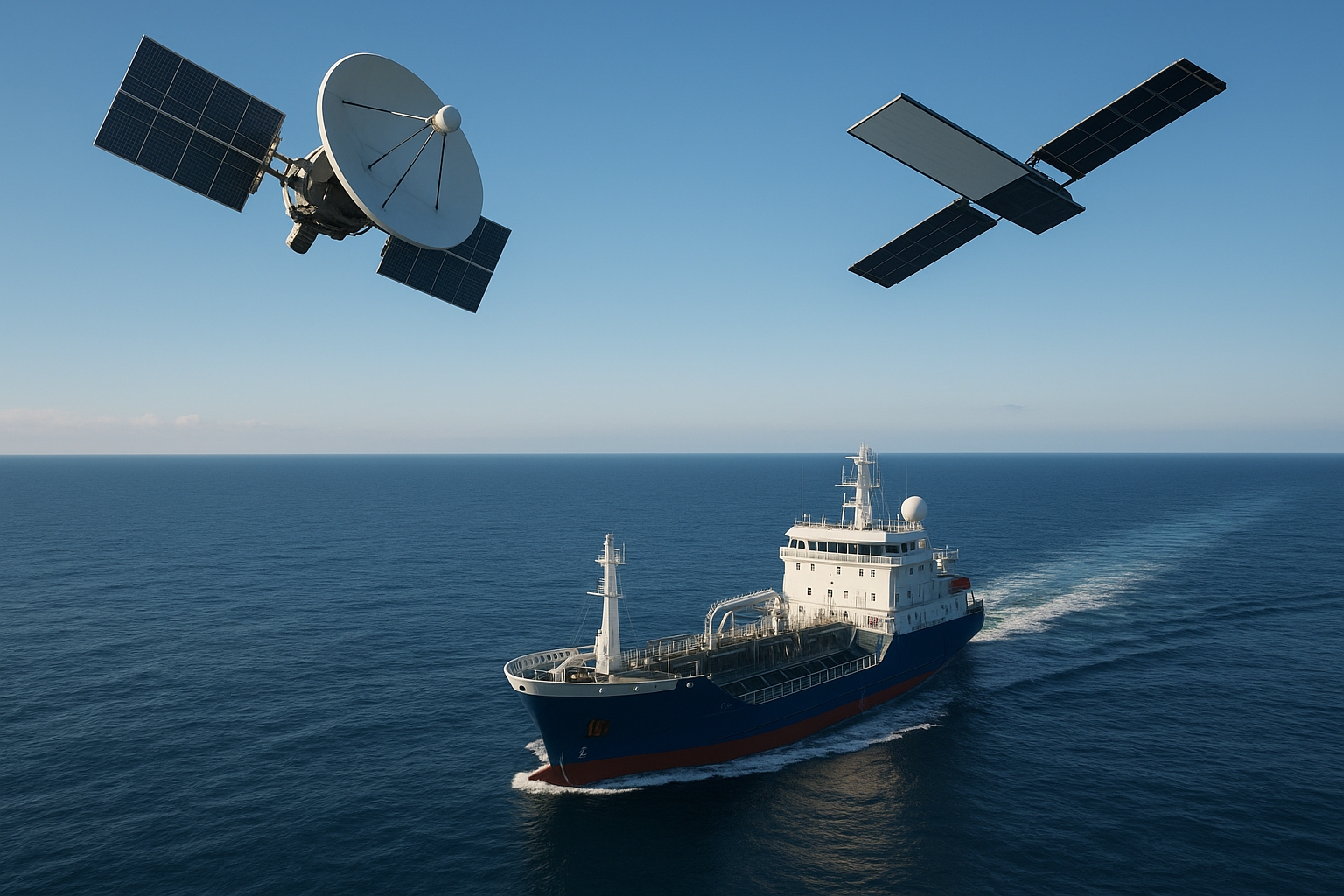
Choosing between VSAT and Starlink for maritime internet depends on your vessel’s needs. VSAT offers broad global coverage and proven reliability, while Starlink provides faster speeds and lower latency, especially near coastal regions. Here’s a quick breakdown:

  • VSAT: Reliable for global routes, with slower speeds (1–50 Mbps) and high latency (600+ ms). Costs include $10,000–$60,000 for equipment and $500–$2,000 monthly fees.
  • Starlink: Faster (100–350 Mbps), lower latency (20–40 ms), and more affordable upfront ($2,500–$10,000). Coverage is growing but limited in polar and remote waters.

Quick Comparison

Feature VSAT Starlink
Latency 600+ ms 20–40 ms
Speed 1–50 Mbps 100–350 Mbps
Coverage Near-global Expanding, limited in some areas
Cost (Equipment) $10,000–$60,000 $2,500–$10,000
Monthly Fees $500–$2,000+ $250–$500

For cruise ships, Starlink’s speed is ideal, but VSAT remains a dependable backup. Cargo vessels often rely on VSAT for its reliability on major routes. Yachts may prefer Starlink for affordability near coasts, with VSAT for global travel.

A hybrid approach – using both systems – is often the best solution for uninterrupted connectivity.

Starlink

VSAT for Maritime Communication

VSAT has been a key player in maritime satellite communication since it debuted in 1986. Over the years, this technology has transformed from a specialized solution into a critical service that enhances crew connectivity and boosts operational efficiency for global shipping. Below, we’ll explore how VSAT works, its features, and the costs involved in maritime applications.

How VSAT Works

VSAT relies on geostationary (GEO) satellites stationed roughly 22,369 miles (36,000 km) above the Earth’s equator. These satellites stay aligned with Earth’s rotation, forming a stable communication link between vessels and ground-based networks. Data is transmitted from the ship to the satellite and then to a ground station, where it connects to the internet or private networks.

A stabilized antenna on the vessel continuously tracks the satellite, ensuring a steady connection even at speeds of up to 30 knots. This precise tracking is why VSAT is known for its high reliability. The system includes two main components: the Above Deck Unit, which houses the dish, tracking mechanism, and protective radome, and the Below Deck Unit, which contains the modem, router, and control systems.

VSAT Features and Capabilities

Maritime VSAT provides coverage anywhere with a clear view of the sky, making it suitable for international shipping routes, cruises, and offshore operations. Depending on the equipment and service plan, it can deliver data speeds ranging from 4 kbit/s to 16 Mbit/s.

One of VSAT’s standout strengths is its reliability, with uptime rates often exceeding 99.9%. Service Level Agreements (SLAs) ensure minimum speeds and predictable costs, helping operators manage their budgets effectively.

VSAT operates across three primary frequency bands, each with its own characteristics:

  • C-band (4–8 GHz): Known for its resilience in heavy rain, though it offers lower data speeds.
  • Ku-band (12–18 GHz): A popular choice that balances affordability and coverage, though rain can affect its performance.
  • Ka-band (26.5–40 GHz): Offers faster speeds, making it ideal for data-heavy applications, but its coverage can be less consistent under certain conditions.

However, VSAT does have its challenges. The distance to GEO satellites introduces a latency of about 250 milliseconds, with additional delays of 300 to 500 milliseconds due to protocol processing. These limitations are worth considering alongside its many advantages.

VSAT Costs and Installation

VSAT technology comes with a notable price tag. Basic systems start at around $10,000, while advanced setups can cost over $60,000. Installation typically adds another $5,000 to $10,000 to the total expense.

The size of the antenna plays a major role in both performance and cost. Most maritime VSAT antennas measure between 30 and 47 inches in diameter, while larger C-band systems can reach up to 94 inches. Bigger antennas generally offer better signal strength and faster data rates but require more deck space and structural support.

Monthly service fees usually range from $500 to $2,000 or more, depending on the data plan and SLA. Additionally, annual maintenance costs – covering routine inspections, software updates, and minor repairs – typically fall between $500 and $1,500.

Introduced in 2022, Starlink Marine leverages a network of low Earth orbit (LEO) satellites to reshape maritime communication. Unlike traditional VSAT systems that depend on far-off geostationary satellites, Starlink’s LEO setup brings a new level of efficiency to the table.

Starlink satellites orbit much closer to Earth – around 340 miles – compared to the roughly 22,000-mile distance of geostationary satellites used by VSAT. This proximity enables faster connections. Vessels connect to the nearest satellite, which then relays data through a network of ground stations, or gateways. As satellites move across the sky, the system ensures uninterrupted service by automatically switching connections through a process called handover.

The terminals use phased array antennas, which electronically adjust their beams to track satellites. Their flat-panel design minimizes wind resistance, making them well-suited for maritime conditions. These features are key to Starlink’s performance, which stands out in several areas.

Starlink delivers lower latency, making it ideal for real-time tasks like video conferencing and VoIP calls on ships. Download and upload speeds can vary depending on location and network conditions, but they often surpass those of traditional systems.

The network is continually growing, now covering many major shipping routes. However, coverage in polar regions remains limited for now. Local regulations in certain territorial waters may require terminals to deactivate temporarily, leading to occasional service interruptions. Additionally, heavy rain can sometimes weaken signal strength.

Starlink offers a compact terminal that’s quick to install and more affordable in terms of both hardware and labor compared to conventional maritime satellite systems. The terminal’s design allows for easy mounting, which reduces setup time and expenses.

Equipped with integrated GPS and gyroscopic stabilization, the system automatically adjusts to maintain optimal positioning, ensuring reliable performance even in rough seas. For added flexibility, vessel operators can pause connectivity when it’s not needed, which can help manage costs effectively.

When deciding between VSAT and Starlink for maritime communication, the difference in performance becomes clear when you look at key metrics. The core distinction lies in the satellite technology – VSAT relies on geostationary satellites (GEO), while Starlink operates with low Earth orbit (LEO) satellites. This fundamental difference has a big impact on performance.

Performance Comparison

The positioning of the satellites is a major factor in the performance gap. VSAT’s GEO satellites are positioned much farther from Earth compared to Starlink’s LEO satellites, which significantly reduces the signal travel time for Starlink.

Latency is where the difference really stands out. Starlink offers latencies between 20–40 milliseconds in most maritime regions and can reach up to about 100 milliseconds in more remote areas. On the other hand, VSAT systems typically experience latencies of 600 milliseconds or more. When it comes to download speeds, Starlink consistently delivers between 100–350 Mbps, often exceeding 200 Mbps. In contrast, VSAT usually provides speeds ranging from 1–10 Mbps, with premium plans offering up to 50 Mbps.

Here’s a quick comparison of these performance metrics:

Performance Metric Starlink Marine Traditional VSAT
Latency 20–40 ms (up to 100 ms in remote areas) 600+ ms
Download Speed 100–350 Mbps 1–50 Mbps

Coverage and Geographic Limitations

Understanding where each technology performs best is essential for effective route planning. These coverage characteristics, combined with earlier performance differences, highlight patterns that influence connectivity reliability across various ocean regions.

VSAT’s Broad Coverage

VSAT systems offer near-global coverage through geostationary satellites, making them a reliable choice along heavily trafficked maritime routes. With consistent service across vast areas, VSAT can provide connectivity virtually anywhere on Earth, as long as the satellite remains in view.

Starlink leverages a low Earth orbit (LEO) satellite network to reach remote locations. While the network is expanding with additional satellite launches, some gaps remain. Areas such as polar regions and certain international waters still experience limited coverage. Additionally, regulatory hurdles can impact Starlink’s availability in specific ports or territorial waters.

Regional and Physical Challenges

Both technologies require a clear sky view, which can be disrupted in crowded ports or confined anchorages. For instance, connectivity may falter when vessels are docked near larger ships or in tight spaces.

VSAT shines on traditional maritime routes, particularly those with high commercial traffic, offering dependable service between major ports. This makes it an ideal option for cargo ships following predictable paths. Starlink, on the other hand, is better suited for remote areas where conventional satellite systems often struggle, though its availability in less-frequented ocean regions is still inconsistent due to its ongoing deployment.

For operations in polar regions, both technologies face hurdles. VSAT’s geostationary satellites are limited by their positioning, making coverage in these areas more challenging. Starlink’s LEO satellites hold promise for improved polar connectivity as the network continues to grow, though its current service in these regions remains limited.

For maritime operators, choosing the right communication system is crucial to ensuring smooth operations at sea. Each technology comes with its own strengths and weaknesses, so understanding these is key to making the best decision for your vessel’s needs.

VSAT has long been a reliable option, offering consistent connectivity along major shipping routes thanks to its well-established infrastructure. On the downside, it comes with higher latency, which can be a challenge for real-time applications like video calls or live monitoring. Additionally, the upfront costs for installation and equipment are significant, and its slower data speeds may struggle with bandwidth-heavy activities.

Starlink, on the other hand, shines with its low latency, enabling activities like video streaming, online gaming, and real-time communication that feel similar to land-based internet. It also has a lower initial cost, making advanced connectivity more accessible. However, Starlink isn’t without its challenges. It has coverage gaps in international waters and polar regions, which could lead to service interruptions. Regulatory hurdles in territorial waters can also complicate compliance, and its limited track record in maritime settings means there’s less experience with long-term troubleshooting.

Technology Key Advantages Primary Disadvantages
VSAT Reliable connectivity, global coverage, established support systems High latency, expensive setup, slower data speeds
Starlink Low latency, fast speeds, affordable upfront costs Limited coverage in remote waters, regulatory issues, less maritime experience

Weather conditions also play a role in performance. VSAT’s geostationary satellites generally provide stable signals during storms, while Starlink’s multiple satellite connections help reduce weather-related disruptions.

When it comes to maintenance, VSAT systems often require professional technicians for repairs, which might mean a trip to port for major fixes. Starlink’s simpler hardware is easier to troubleshoot, though finding replacement parts in remote areas can be tricky. VSAT providers typically offer customizable packages with features like priority traffic routing, while Starlink sticks to straightforward pricing plans, which can appeal to smaller operators.

Another consideration is longevity. VSAT systems are known for their durability, with many operating effectively for years. Starlink, though rapidly expanding its satellite network, may require more frequent updates to keep up with its evolving technology. These differences can significantly impact long-term investment decisions.

Best Technology by Vessel Type

Each type of vessel comes with its own set of connectivity needs, shaped by factors like operational demands, passenger expectations, and budget constraints. Here’s a closer look at which maritime communication technology works best for various vessel types.

Cruise Ships and Passenger Vessels

Cruise ships have some of the highest connectivity requirements due to the sheer number of passengers expecting fast, reliable internet. These vessels need systems that can handle large bandwidth loads seamlessly.

In areas where Starlink is available, its low latency and high-speed internet can deliver a service comparable to what passengers experience on land. Cruise ships often use Starlink as their primary option for high-speed connectivity, with VSAT serving as a backup in regions where Starlink coverage is limited.

Cargo Vessels and Commercial Ships

For commercial shipping, reliability and cost-efficiency are key. These vessels rely on connectivity for essential tasks like navigation, weather updates, crew communication, and operational reporting.

VSAT remains a trusted choice for these ships, offering dependable service on major shipping routes and backed by global support networks at many ports. Its predictable costs and proven reliability make it ideal for mission-critical operations. However, for coastal cargo vessels operating closer to shore, Starlink may be a practical alternative. Its simpler setup and lower upfront costs are appealing, though its coverage is not yet suited for transoceanic routes.

Private Yachts and Leisure Vessels

Private yachts often seek a balance between performance and affordability when it comes to connectivity. Many yacht owners, especially those cruising in coastal waters or popular destinations, choose Starlink for its low latency and easy installation. Unlike VSAT, Starlink doesn’t require professional installation, making it a convenient option for many yacht owners.

For luxury superyachts that demand global coverage, VSAT is often the go-to choice. While it comes with higher costs and a more complex setup, it ensures reliable connectivity no matter where the vessel travels.

Vessel Type Recommended Technology Primary Considerations
Cruise Ships Starlink (with VSAT backup) High bandwidth demands
Cargo/Commercial VSAT Reliability and global coverage
Private Yachts Starlink (coastal) / VSAT (global) Cost-performance balance

Weather conditions can also influence connectivity choices. For instance, commercial vessels on tight schedules benefit from VSAT’s consistent performance during bad weather. On the other hand, recreational yacht owners might accept occasional weather-related interruptions in exchange for better day-to-day internet performance.

Conclusion

When deciding between VSAT and Starlink, it all comes down to the specific needs of your vessel and its operations. Each technology has its strengths, designed to address different aspects of maritime connectivity.

VSAT stands out for its global coverage and dependable performance, making it a go-to option for commercial and remote operations. While the upfront installation costs may be higher, its robust infrastructure and reliable support networks ensure consistent service, which can make it a worthwhile investment for global routes.

Starlink, on the other hand, offers low latency, impressive speeds, and simpler installation, making it ideal for vessels operating in coastal or regional areas. With its rapid network expansion and competitive pricing, Starlink is making high-speed maritime internet more accessible than ever.

For many operators, a hybrid approach works best: leveraging Starlink for high-speed connectivity where available and relying on VSAT as a backup for extended coverage. This strategy is particularly popular among cruise operators, as it combines the strengths of both systems to maintain uninterrupted service while optimizing performance.

Ultimately, the choice between these two technologies depends on your vessel’s operational scope and budget. Coastal operations may benefit more from Starlink’s cost and speed advantages, while global routes often require VSAT’s reliability and reach. It’s also worth considering the total cost of ownership rather than just the initial setup costs, as VSAT’s predictable pricing and established support can offer better long-term value for commercial fleets.

As maritime communications continue to evolve, it’s important to reassess your setup periodically. Both VSAT and Starlink are advancing rapidly, and staying flexible will help you adapt to future improvements. The best choice is one that meets your current needs while leaving room for upgrades as these technologies grow.

FAQs

When weighing VSAT against Starlink for maritime communication, there are a few critical aspects to keep in mind:

  • Speed and latency: Starlink often delivers faster speeds and lower latency, making it a strong option for activities like video calls or live-streaming. VSAT, while slower, remains dependable for tasks that don’t require real-time responsiveness.
  • Coverage: VSAT boasts global reach, even in remote waters, whereas Starlink’s coverage is still growing and might have gaps in certain regions.
  • Equipment and installation: Starlink’s hardware is generally smaller and easier to install, contrasting with the larger, more complex antennas needed for VSAT systems.
  • Cost considerations: Look at both upfront expenses (hardware and installation) and ongoing service charges. Starlink tends to be more affordable overall, though VSAT might be a better match for specific operational demands.

Ultimately, the decision should match your vessel’s communication needs, budget, and travel routes to ensure seamless and effective connectivity while at sea.

Using VSAT and Starlink together creates a powerful hybrid communication system that enhances connectivity for vessels. VSAT offers dependable, worldwide coverage via satellite networks, while Starlink delivers high-speed, low-latency internet in its coverage zones. By combining these two technologies, ships gain the advantage of VSAT’s extensive reach and Starlink’s faster speeds, ensuring reliable communication even in remote areas.

This setup is especially valuable for maritime operations that depend on uninterrupted internet access – whether for navigation, crew welfare, or passenger services. It also provides the flexibility to switch between networks based on factors like availability, performance, or cost, making it a versatile and efficient solution for today’s maritime communication challenges.

Using Starlink while navigating international waters comes with its own set of regulatory hurdles due to differing laws and agreements across countries. Although Starlink is built to provide global coverage, maritime operators must adhere to international regulations, such as those established by the International Telecommunication Union (ITU). On top of that, vessels operating close to a nation’s territorial waters may need to meet specific local licensing requirements.

To ensure compliance, it’s a good idea to consult legal or regulatory experts who can help verify that your Starlink usage aligns with the relevant rules – particularly when traveling through multiple jurisdictions. Keeping up-to-date with changes in maritime communication regulations can also help you sidestep potential complications.

Satellite vs Cellular: Best Maritime Internet?

Satellite vs Cellular: Best Maritime Internet?

When it comes to maritime internet, your choice boils down to satellite or cellular connectivity. Both have distinct advantages, and your decision depends on where your vessel operates and what kind of connectivity you need. Here’s the breakdown:

  • Satellite Internet: Best for global coverage, especially in open seas. Low Earth Orbit (LEO) satellites now provide faster speeds and lower latency, making them suitable for real-time applications. However, satellite systems are more expensive and can be affected by severe weather.
  • Cellular Internet: Ideal for vessels near coastlines. With 4G LTE and increasing 5G availability, cellular networks deliver faster speeds and lower latency than traditional satellite systems. That said, coverage is limited to 15–40 nautical miles offshore.
  • Hybrid Systems: Combine satellite and cellular networks for seamless switching based on location and signal strength, balancing cost and performance.

Quick Comparison

Feature Satellite Cellular
Coverage Global, including open seas Coastal (15–40 miles)
Speed 5–250 Mbps (LEO) 50 Mbps–2 Gbps (4G/5G)
Latency 25–600 ms 10–64 ms
Reliability Weather-dependent Coastal congestion may occur
Best For Open-ocean vessels Coastal operations

For cruise ships, cargo vessels, and superyachts, hybrid systems are often the best solution. They leverage cellular networks near shore and switch to satellite in remote areas, ensuring reliable connectivity. Choose based on your vessel’s routes, budget, and connectivity needs.

Podcast Episode: The Ultimate Guide to Data SIM Cards, Wireless Internet for Boats

How Satellite Internet Works at Sea

Satellite internet keeps vessels connected globally by using radio signals relayed through orbiting satellites. Here’s how it works: when a ship sends data, it travels from the vessel’s antenna to a satellite in space, which then relays it down to a ground station tied to the internet backbone. For incoming data, the process is reversed.

This system relies on three main components: the satellite constellation itself, ground stations (also known as teleports) that link to terrestrial networks, and the onboard equipment on the vessel. These elements are strategically positioned worldwide to provide consistent coverage and backup systems.

Maritime satellite internet operates on specific frequency bands such as C-band and Ku-band, with newer systems increasingly adopting Ka-band for higher data speeds. Each band has its own strengths, including differences in signal strength, resistance to weather, and bandwidth. These factors play a crucial role in how satellite orbit types influence overall performance.

LEO vs. Geostationary Satellites

Geostationary satellites are positioned roughly 22,236 miles above the Earth’s equator. They remain fixed relative to the planet, allowing vessels to use simpler, stationary antennas. However, the distance introduces a delay: signals take about 500–600 milliseconds for a round trip, which can impact real-time communications.

In terms of performance, traditional geostationary systems provide download speeds ranging from 1 to 50 Mbps, depending on the user’s service plan and network traffic. Upload speeds are typically slower, between 256 Kbps and 5 Mbps. Despite the latency, these systems are known for their widespread coverage and decades of reliability across vast ocean areas.

Low Earth Orbit (LEO) satellites, on the other hand, operate much closer to Earth, at altitudes between 300 and 1,200 miles. This proximity reduces latency to just 20–40 milliseconds, making them ideal for real-time applications. LEO constellations require hundreds or even thousands of satellites to ensure continuous coverage, as each satellite moves quickly across the sky.

LEO systems can achieve download speeds exceeding 100 Mbps, with upload speeds often matching or nearing the same levels. However, they come with added complexity: shipboard antennas must track the rapidly moving satellites and seamlessly switch connections as satellites pass. This requires advanced – and more costly – tracking equipment.

Weather impacts the two systems differently. Geostationary satellites, particularly those using Ku-band frequencies, can experience rain fade during heavy storms, which temporarily reduces signal quality. LEO systems may show better resilience to weather, but this depends on the specific constellation and frequency band being used.

Required Hardware and Installation

For maritime satellite internet to perform well in ever-changing conditions at sea, the right hardware is essential. The most noticeable component is the satellite antenna, which plays a critical role in maintaining connectivity. Geostationary systems typically use parabolic dishes ranging from 24 inches to 8 feet in diameter. Larger dishes generally provide stronger signals and higher data rates. These antennas are housed within protective radomes to shield them from harsh weather and reduce wind drag.

Modern geostationary antennas are equipped with gyro-stabilized systems that keep the antenna locked onto the satellite, even in rough seas. High-end systems can maintain a signal in waves as high as 15 feet, though extreme conditions may still affect performance.

LEO satellite systems, meanwhile, rely on phased array or mechanically steered antennas to track the fast-moving satellites. These antennas are typically smaller and flatter than traditional dishes, making them a good fit for smaller vessels or situations where space is limited.

Below deck, the setup includes a satellite modem, which handles the conversion of digital data into radio signals and vice versa. These modems are built to endure the tough marine environment, withstanding temperature swings, high humidity, and constant vibration. Most setups also include redundancy features and automatic failover systems to maintain connectivity in case of equipment issues.

Proper installation is key to ensuring reliable performance. The antenna must be placed in a location with an unobstructed line-of-sight to the sky, away from interference caused by the ship’s structure, masts, or other equipment. Typically, this means mounting it at the vessel’s highest practical point. Professional installers use specialized tools to model signal coverage and pinpoint the best placement.

Power needs can vary widely. Smaller geostationary systems consume 50–150 watts, while high-throughput systems may require 300–500 watts. LEO terminals tend to use less power because of the stronger signals from closer satellites, though their advanced tracking mechanisms may offset this advantage.

Finally, the system’s cabling and internal networking tie everything together. Coaxial or fiber optic cables rated for marine environments connect the satellite equipment to the vessel’s internal network. Additional components, such as network switches and wireless access points, distribute the connection throughout the ship. Proper cable routing and weatherproofing are essential to prevent signal loss and protect equipment from damage caused by saltwater exposure.

How Cellular Internet Works at Sea

Cellular internet at sea functions by connecting to land-based cell towers through technology similar to what smartphones use. As ships move away from the shore, onboard systems communicate with coastal towers using radio waves, which are routed through terrestrial networks.

Unlike satellite-based systems, cellular maritime internet relies entirely on staying within range of land-based towers. A clear line of sight to these towers is essential for maintaining a connection. However, as vessels venture farther out, signal strength diminishes due to the Earth’s curvature and the limited range of coastal towers. Additional challenges, such as adverse weather and atmospheric interference, can further weaken the signal and affect reliability.

Modern maritime cellular systems often operate on 4G LTE networks, with 5G becoming more prevalent. These technologies provide faster speeds, lower latency, and better efficiency, making them ideal for operations close to the coastline. However, the reliance on land-based infrastructure means coverage is directly tied to how far a vessel is from shore.

Coastal Coverage Range

Ships generally experience reliable cellular coverage within 3–8 miles of the coast. LTE networks can extend up to 50 nautical miles under optimal conditions, while specialized equipment can boost the range to about 18–20 miles.

Several factors play a role in determining the actual coverage range. For example, the height of a ship’s antenna and the coastal terrain can significantly influence how far the signal travels.

Required Hardware for Cellular

Hardware is just as critical as signal reach when it comes to cellular internet at sea. Maritime cellular systems utilize durable equipment designed to handle harsh conditions like constant vibrations, temperature changes, and exposure to saltwater. Essential components include core routers, omnidirectional antennas, and signal boosters.

Marine antennas, typically omnidirectional, are mounted high on the ship to maintain a clear line of sight to coastal towers. Signal boosters are also employed to strengthen weaker signals, extending coverage where possible. The right combination of rugged hardware is key to ensuring stable and consistent internet access while navigating coastal waters.

Satellite vs Cellular: Direct Comparison

When deciding between satellite and cellular internet for maritime use, it’s essential to weigh their technical and operational differences. Coverage, speed, and cost are the key factors that will help you choose the right option for your vessel.

Coverage and Reliability

Coverage and reliability are where satellite and cellular internet diverge the most. Satellite internet provides global ocean coverage, making it accessible even in the most remote areas, as long as there’s an unobstructed view of the sky.

On the other hand, cellular internet excels in coastal waters. It offers reliable connectivity within 15–40 nautical miles of shore, but its performance drops off quickly as you move further out to sea.

Factor Satellite Cellular
Coverage Area Global ocean coverage Reliable within 15–40 nautical miles of shore
Weather Impact Can degrade during heavy rain or snow Minimal, though congestion may occur
Reliability Consistent with a clear sky view Strong within the coastal coverage range

Speed and Performance

Advancements in technology have significantly improved the performance of both satellite and cellular networks, but each has its strengths. Cellular networks, especially 4G and 5G, deliver exceptional speeds when close to shore.

Steve Gorman, Field Service Engineer at Super Yacht Americas Sales, KVH, highlights this advantage:

"With cellular, I think the biggest benefit right now is that with 5G, it can actually be faster than low earth orbit (LEO) services like Starlink and OneWeb." – Steve Gorman

Satellite internet performance varies based on the type of service. Traditional geostationary satellites often struggle with slower speeds and high latency, typically around 550 milliseconds. In contrast, LEO services like Starlink Maritime have transformed satellite internet, offering speeds between 5–250 Mbps and latency as low as 25–99 milliseconds.

Performance Metric Satellite (LEO) Cellular (4G/5G)
Download Speed 5–250 Mbps (varies by plan) 50 Mbps – 2 Gbps
Upload Speed 2–25 Mbps 8–80 Mbps
Latency 25–99 ms Under 64 ms (often single digits)
Performance Conditions Requires clear sky; weather-dependent Best within 15–40 nautical miles; may face congestion

The next step is to determine which option aligns best with your vessel’s needs based on these factors.

Best Solution by Vessel Type

The connectivity needs of vessels vary based on their operations, size, and travel routes. Choosing between satellite, cellular, or a hybrid system depends on these factors. Here’s a closer look at the best connectivity options for different types of vessels.

Cruise Ships

Cruise ships face a unique challenge: providing reliable, high-speed internet to thousands of passengers who expect seamless streaming, social media access, video calls, and more. To meet these demands, many cruise lines use hybrid connectivity systems. These systems tap into cellular networks when near the coast and switch to satellite networks farther out at sea. Modern satellite technology can deliver download speeds of up to 220 Mbps, ensuring smooth operations and keeping passengers connected.

Cargo and Commercial Vessels

For cargo and commercial vessels, the focus is on operational efficiency and cost-effectiveness rather than passenger entertainment. These vessels rely on dependable connectivity for tasks like tracking, communication, and receiving weather updates. Near shorelines, cellular networks offer an affordable solution. However, for long journeys into open seas, satellite connectivity becomes essential, enabling real-time monitoring and navigation to keep operations running smoothly.

Superyachts and Leisure Vessels

Owners of superyachts and leisure vessels expect internet connectivity that rivals the performance of high-end residential or business setups. These vessels often use premium hybrid solutions, which combine high-speed satellite and cellular services. The technology supports activities like video conferencing and streaming, all while maintaining low latency. Additionally, low-profile antennas are often installed to preserve the vessel’s sleek design without sacrificing performance.

Below is a quick comparison of the ideal connectivity solutions for each vessel type:

Vessel Type Primary Need Recommended Connectivity
Cruise Ships High-capacity, high-speed internet for many users Hybrid system: coastal cellular + offshore satellite
Cargo/Commercial Reliable communication for operational tasks Coastal cellular with satellite for deep-sea connectivity
Superyachts/Leisure Premium, multi-device support with low latency Premium hybrid: high-speed satellite + low-profile antennas

What’s Coming Next

The maritime internet is undergoing rapid changes, with new technologies set to reshape how ships stay connected while at sea. These advancements aim to tackle current challenges and unlock new opportunities for maritime operations.

Expanding LEO Satellite Networks

Low Earth Orbit (LEO) satellite networks are making waves in maritime connectivity. Unlike traditional geostationary satellites that orbit much farther away, LEO satellites operate at altitudes between roughly 340 and 1,200 miles. This closer range dramatically reduces signal travel time, cutting latency to under 50 milliseconds – compared to the 600 milliseconds or more typical of geostationary systems.

LEO networks rely on vast constellations of satellites, often numbering in the hundreds or thousands, to provide seamless global coverage. This means fewer dead zones and more reliable connections, even in remote ocean regions.

Speed is another area where LEO networks shine. Current systems already deliver download speeds exceeding 200 Mbps, with potential to approach 1 Gbps in the near future. Meanwhile, hardware is evolving rapidly – next-generation antennas are becoming smaller, lighter, and easier to install. Features like automatic tracking and self-alignment are simplifying maintenance, making these systems more accessible for vessels of all sizes.

As LEO technology advances, cellular networks are also stepping up to enhance maritime connectivity.

5G and Emerging Cellular Networks

5G technology is extending reliable connectivity for vessels operating near coastlines. Early deployments are already providing coverage up to 15–25 miles offshore, a significant boost for vessels navigating busy shipping lanes, harbors, and fishing zones.

Under optimal conditions, 5G-enabled ships can reach download speeds of up to 1 Gbps and upload speeds around 100 Mbps. Features like network slicing allow operators to prioritize critical tasks – such as emergency communications or navigation – ensuring that essential data gets through, even during high-traffic periods.

A key development is the integration of 5G with satellite systems, creating hybrid connectivity solutions. These setups enable vessels to switch seamlessly between 5G and satellite networks based on their location and signal strength. Additionally, edge computing within 5G networks is enabling local data processing for time-sensitive tasks like autonomous navigation or real-time weather monitoring.

Looking further ahead, research into 6G technology is already underway. While specifics are still emerging, early signs suggest that future networks could offer even better offshore coverage, faster speeds, and lower latency through enhanced integration and optimization techniques. The horizon for maritime connectivity looks more promising than ever.

Final Recommendations

Choose between satellite and cellular internet based on where your vessel operates, what kind of connectivity you need, and how much you’re willing to spend.

Key Points

Satellite internet offers worldwide coverage, making it perfect for vessels traveling in remote areas or open oceans. Modern low-earth orbit (LEO) satellites provide faster speeds and lower latency, supporting advanced communication systems onboard. That said, satellite services tend to be pricier and may experience interruptions during severe weather.

Cellular internet is a fast and efficient option for vessels operating near the coast. With the rollout of 5G, cellular networks are becoming even more capable, but their range is still limited to areas close to shore.

Hybrid solutions combine the strengths of both satellite and cellular networks, automatically switching between them based on location and signal strength. This setup balances performance and cost but requires more advanced hardware to function seamlessly.

Connectivity options continue to improve. LEO satellite networks are expanding their coverage and boosting speeds, while cellular networks are extending their reach offshore. These evolving technologies provide a foundation for making connectivity decisions tailored to your vessel’s needs and budget.

Choosing by Vessel Type and Budget

Your vessel’s size, operational zone, and budget will guide the right connectivity mix.

  • Large vessels like cruise ships and commercial fleets often benefit from hybrid systems. These systems combine the speed of coastal cellular networks with the global reach of satellite coverage.
  • Coastal cargo operations can rely primarily on cellular networks, with satellite as a backup for areas with poor coverage.
  • Superyachts and leisure vessels can choose based on their typical routes. Coastal vessels are better suited for cellular services, while those traveling internationally will need the broader coverage offered by LEO satellites.

Make sure your connectivity solution matches your operational needs. For example, global satellite coverage is unnecessary for vessels that operate mainly near the coast, but reliable communication is essential for mission-critical operations.

FAQs

What should I consider about costs when choosing between satellite and cellular internet for maritime use?

When it comes to maritime internet costs, satellite services tend to be on the pricier side. Monthly fees can fall anywhere between $40 and over $500, depending on the provider and the speed you’re after. On top of that, the initial setup can be steep due to the specialized equipment and infrastructure required. On the other hand, cellular internet is often a more budget-friendly choice, offering flexible data plans and lower upfront costs – especially when you’re using SIM card-based options.

Satellite internet works best if you need global coverage or have high data demands, but it might not make sense financially for short-term use or less intensive needs. Cellular solutions are a more affordable alternative if you’re operating near shorelines or in areas with dependable network coverage. To choose the right option, think about what you need most – whether it’s coverage, data capacity, or staying within a specific budget.

How does 5G technology improve the speed and reliability of maritime cellular internet?

The arrival of 5G technology has transformed maritime cellular internet, offering blazing-fast speeds, reduced lag, and dependable connections. With data rates climbing to an impressive 20 Gbps and latency dropping to as low as 5 milliseconds, 5G delivers the kind of connectivity needed for high-demand tasks like real-time communication and rapid data sharing.

What’s more, 5G extends its reach even to remote maritime zones by leveraging advanced tools such as vessel-based relay stations and multi-hop connections. This ensures reliable service across critical shipping routes, enhancing safety, boosting efficiency, and meeting the growing connectivity demands of modern maritime operations.

What should I consider when choosing between a hybrid system and a dedicated satellite or cellular system for my vessel?

When choosing between a hybrid system and a dedicated satellite or cellular system for maritime connectivity, it’s essential to weigh factors like coverage needs, technical complexity, and cost-efficiency.

Hybrid systems work well for vessels that operate in both coastal and remote areas. By combining satellite and cellular networks, they deliver more consistent connectivity. That said, managing multiple communication channels in hybrid systems can require advanced coordination and expertise.

Cost is another key consideration. While hybrid systems often come with higher upfront costs, they can save money in the long run by enhancing reliability and minimizing downtime – especially in remote or weather-challenged regions. On the flip side, dedicated systems are simpler and might be more budget-friendly for vessels with predictable routes or minimal connectivity demands. Ultimately, your decision should reflect your vessel’s specific operational needs and financial priorities.

Top 7 Maritime Communication Systems in 2025

The maritime industry in 2025 relies on advanced communication systems to ensure safety, efficiency, and connectivity for ships across the globe. These systems integrate modern technologies like satellite internet, 5G, and IoT to support navigation, weather updates, emergency alerts, and onboard communication for both crew and passengers. Here’s a quick summary of the top systems shaping maritime communication today:

  1. NT Maritime Integrated Communication Platform: Offers high-speed internet (220 Mbps download, 40 Mbps upload), onboard calling, video, and telehealth services with strong security measures.
  2. Satellite-Based Maritime Internet Systems: Provides global coverage using geostationary and LEO satellites, with speeds up to 100 Mbps and low latency for real-time operations.
  3. Cruise Line Communication Platforms: Combines satellite, cellular, and onboard WiFi for uninterrupted passenger and crew connectivity, with integrated safety features.
  4. Government and Military Communication Solutions: Focuses on secure, mission-critical communication with strict compliance to federal standards.
  5. 5G and Cellular Maritime Networks: Enhances vessel-to-shore communication with faster speeds, lower latency, and seamless integration with shipboard systems.
  6. Global Maritime Distress and Safety Systems (GMDSS): Ensures emergency communication across sea areas using modernized satellite and digital technologies.
  7. Software-Defined Radios and IoT Communication: Flexible systems supporting multiple protocols, IoT integration, and real-time monitoring for predictive maintenance.

These systems address the growing demands of the maritime industry by providing reliable, secure, and efficient communication solutions, paving the way for safer and more connected operations.

Quick Comparison:

System Key Features Speed/Latency Coverage Integration Focus Security Standards
NT Maritime Platform High-speed internet, telehealth 220 Mbps/99 ms Onboard WiFi Passenger management, safety Encrypted, multi-layer auth
Satellite Internet Global coverage, LEO & GEO satellites 100 Mbps/20-40ms (LEO) Global (incl. polar) IT infrastructure End-to-end encryption
Cruise Line Platforms Hybrid satellite/cellular/WiFi Dynamic Coastal & open sea Safety, passenger services Network segmentation
Gov/Military Solutions Mission-critical, secure comms Varies Classified routes Classified data handling Federal compliance
5G Maritime Networks Low latency, high bandwidth 5G speeds Coastal & near-shore Remote diagnostics, cargo Zero-trust, geofencing
GMDSS Emergency communication, updated tech Varies Sea Areas A1-A4 Safety systems, AIS IMO/SOLAS compliance
SDR & IoT Systems Multi-protocol, IoT-enabled Varies Coastal & open sea Predictive maintenance, ECDIS AES-256 encryption

These technologies are reshaping maritime communication, ensuring better safety, efficiency, and connectivity for diverse maritime operations.

The Future of Marine Communications: Harnessing Advanced Technologies

1. NT Maritime Integrated Communication Platform

NT Maritime

NT Maritime’s platform brings together all communication needs for cruise ships, government vessels, and military ships. It’s designed to provide dependable, flexible, and secure connectivity at sea, improving both operations and the experience for passengers.

The system supports onboard calling, messaging (including group chats and ship-to-app communication), video calls, and voicemail. These features adapt effortlessly to the size of the vessel, ensuring smooth operations and enhanced communication for everyone onboard.

Coverage and Connectivity

Using the ship’s WiFi, the platform ensures consistent coverage throughout the vessel. It also provides high-speed internet with download speeds up to 220 Mbps, upload speeds up to 40 Mbps, and latency under 99 ms. This level of connectivity supports real-time operations and keeps passengers connected.

Integration with Shipboard Systems

A standout feature of the platform is how it integrates with onboard systems. It works seamlessly with passenger management systems to automate notifications, handle emergency communications, and send personalized messages. Additionally, telehealth capabilities allow for efficient medical consultations and monitoring while at sea.

Security and Compliance Standards

Security is a top priority. The platform employs encrypted channels, multi-layer authentication, and secure transmission protocols to safeguard sensitive information. It meets strict federal and military standards, ensuring communications remain protected at all times.

2. Satellite-Based Maritime Internet Systems

Satellite-based maritime internet has become the backbone of modern vessel connectivity, offering dependable communication links across the vast expanse of the world’s oceans. By using low Earth orbit (LEO) and geostationary satellites, these systems deliver broadband-level speeds that support everything from crew communication and passenger entertainment to the seamless transmission of critical operational data.

This technology fills the connectivity gap where traditional networks fall short.

Coverage and Connectivity

Satellite systems offer global coverage, ensuring vessels stay connected no matter where they are on the ocean. Unlike terrestrial networks that lose signal beyond coastal areas, satellite connectivity ensures consistent service whether a ship is 10 miles or 1,000 miles from shore.

This coverage spans from polar regions to equatorial waters, making it indispensable for vessels navigating international routes. Ships in remote areas, such as the mid-Pacific or Southern Ocean, rely entirely on satellite links for communication.

  • Geostationary satellites: Positioned 22,236 miles above Earth, these satellites cover wide areas but experience higher latency.
  • LEO satellite constellations: Orbiting much closer – between 340 and 1,200 miles – LEO satellites provide lower latency but require a larger number of satellites to maintain uninterrupted service as they move across the sky.

Bandwidth and Latency

Satellite internet speeds vary based on the technology and service tier:

  • Download speeds: Range from 1 Mbps to over 100 Mbps.
  • Upload speeds: Range from 512 Kbps to 20 Mbps.

Latency differs significantly between satellite types:

  • Geostationary satellites: Latency typically falls between 500-700 milliseconds, which can affect real-time applications.
  • LEO satellites: Latency is much lower, around 20-40 milliseconds, making activities like video calls and voice communication far more practical.

Integration with Shipboard Systems

Modern satellite internet systems integrate seamlessly with onboard IT infrastructure. They connect through standard networking equipment, allowing vessels to extend their internal networks to include satellite connectivity without requiring major upgrades.

  • Automatic failover systems: These ensure uninterrupted service by switching between satellite providers or beams if one connection fails, maintaining critical communication during outages or equipment issues.
  • Quality of Service (QoS) management: Critical communications, such as safety messages and operational data, are prioritized over less essential traffic like passenger entertainment, ensuring vital functions remain unaffected during peak usage.
  • Network management tools: These allow crews to monitor data usage and allocate bandwidth efficiently, optimizing performance.

This level of integration enhances both safety and operational efficiency, setting the stage for more advanced capabilities.

Security and Compliance Standards

Maritime satellite systems are designed with robust security features to protect sensitive data:

  • End-to-end encryption: Ensures secure data transmission between vessels and onshore facilities, meeting international security standards.
  • Authentication protocols: Prevent unauthorized access to the satellite connection, with multi-factor authentication adding extra protection for administrative controls.
  • Regulatory compliance: These systems meet International Maritime Organization (IMO) regulations, flag state requirements, and SOLAS (Safety of Life at Sea) standards for emergency communications.

Additionally, audit trails and logging keep detailed records of network activity. These logs help operators demonstrate compliance with data protection rules and assist in security investigations when needed.

3. Cruise Line Communication Platforms

Cruise line communication platforms are designed to tackle the dual challenges of connectivity and safety for ships carrying thousands of passengers and crew. Modern cruise ships rely on integrated systems to ensure smooth operations, guest satisfaction, and effective emergency communication.

These platforms aim to deliver critical messaging while also maintaining high-quality service for recreational use.

Coverage and Connectivity

Cruise lines utilize hybrid connectivity systems that combine satellite, near-shore cellular networks, and onboard WiFi. This setup ensures uninterrupted service, no matter where the ship is located.

Near coastal areas like the Caribbean or Mediterranean, terrestrial networks can supplement satellite connections, boosting service quality. However, during long ocean crossings, ships rely heavily on satellite systems to maintain communication over extended periods.

Another key feature is shore-to-ship connectivity, which goes beyond basic internet access. Passengers can use their personal devices to make calls, thanks to international routing that mimics land-based dialing. This level of connectivity not only enhances convenience but also lays the foundation for more advanced system integration.

Integration with Shipboard Systems

Reliable network coverage allows for deep integration with onboard systems. Communication platforms connect directly with passenger management and hotel systems, streamlining operations and enabling real-time updates.

These platforms also play a critical role in safety and security. During emergencies or safety drills, they can broadcast instructions in multiple languages and coordinate crew actions in real time. This integration improves operational efficiency while enhancing the guest experience, aligning with modern maritime communication expectations.

Bandwidth and Latency

Dynamic bandwidth management ensures that mission-critical data is prioritized, while latency is minimized for real-time communication needs.

Bandwidth is carefully allocated to meet the demands of passenger internet use, crew communication, operational data transfers, and onboard entertainment. During peak usage times, traffic shaping techniques help distribute access fairly among users.

Many platforms employ edge computing to cache frequently accessed content onboard. This reduces reliance on satellite links and improves response times. Quality of Service protocols further guarantee that emergency communications are prioritized, even during high-demand periods.

This optimized data flow also supports the rigorous security measures outlined below.

Security and Compliance Standards

Cruise line communication platforms adhere to strict security standards to protect passenger data and ensure maritime safety. They comply with international data protection regulations, including those governing European and U.S. markets.

Network segmentation is a common practice, isolating passenger communications from crew operations and critical ship systems. This reduces the risk of unauthorized access. Advanced firewalls and continuous monitoring further safeguard the network by detecting and blocking suspicious activity.

To protect sensitive information, strong encryption protocols are used during data transmission. Ongoing compliance monitoring ensures that all communications meet maritime regulations, facilitating smooth audits during port inspections. These measures help maintain secure and efficient connections, which are vital for passenger and crew safety.

4. Government and Military Communication Solutions

As digital advancements reshape industries, government and military communication systems are no exception. These solutions are designed to handle mission-critical communications while maintaining the highest levels of security to safeguard classified information. To meet strict federal requirements, they must achieve certifications like the Cybersecurity Maturity Model Certification (CMMC) and secure a spot on the Department of Defense Information Network Approved Products List (DODIN APL). These certifications ensure not only data protection but also compliance with stringent federal standards, making these systems dependable for essential operations.

5. 5G and Cellular Maritime Networks

The maritime industry is embracing 5G and cellular networks to enhance vessel-to-shore communication and improve onboard operations. These networks are transforming how ships interact with shore facilities and manage onboard systems, creating a more connected and efficient maritime environment.

Bandwidth and Latency

5G networks in maritime settings bring faster speeds and significantly lower latency. This means crews can communicate in real time, receive instant navigation updates, and access critical weather data for timely decision-making. The combination of higher bandwidth and reduced delays ensures smoother operations, even in demanding conditions.

Coverage and Connectivity

Maritime cellular networks are designed to extend coverage far beyond the coastline. Advanced base station setups and network configurations, such as virtual network segmentation, ensure that essential communications are prioritized. These systems also integrate seamlessly with existing cellular networks, allowing vessels to maintain reliable connectivity as they transition from coastal waters to the open sea.

Integration with Shipboard Systems

5G technology integrates seamlessly with onboard systems, enabling features like remote diagnostics, automated cargo tracking, and edge computing. This integration allows for real-time monitoring and management of key vessel functions, optimizing performance and unifying data from onboard sensors and systems. These capabilities enhance both operational efficiency and decision-making processes.

Security and Compliance Standards

To protect communications, 5G maritime networks use advanced encryption and authentication protocols tailored specifically for maritime needs. These measures align with international guidelines and often employ a zero-trust model, requiring constant verification of users and devices. Additionally, geofencing technology restricts data access based on a vessel’s location, adding an extra layer of security in sensitive areas.

6. Global Maritime Distress and Safety Systems (GMDSS)

The Global Maritime Distress and Safety System (GMDSS) is the internationally required emergency communication framework for ships navigating international waters. Its primary purpose is to ensure vessels can send out distress alerts, receive critical maritime safety updates, and stay in contact with rescue coordination centers across the globe.

This system combines various communication technologies, including satellites, terrestrial radio frequencies, and digital selective calling (DSC). In recent years, the International Maritime Organization (IMO) has been working to modernize GMDSS by incorporating digital technologies to improve efficiency and reduce response times.

Coverage and Connectivity

The GMDSS divides the oceans into four specific sea areas, each defined by its communication coverage capabilities:

  • Sea Area A1: Covers coastal waters within the range of VHF radio, typically up to 20-30 nautical miles from the shore.
  • Sea Area A2: Extends coverage to medium frequency (MF) radio, reaching approximately 100-150 nautical miles offshore.
  • Sea Area A3: Includes regions covered by geostationary satellite systems, providing communication far beyond the range of terrestrial systems.
  • Sea Area A4: Encompasses polar regions where geostationary satellites are less effective, requiring alternative communication methods.

Each area demands specific equipment configurations. For instance, ships operating in Sea Area A3 must be equipped with Inmarsat terminals and MF/HF radios to ensure reliable emergency communication. To enhance coverage, particularly in polar regions, GMDSS now incorporates Low Earth Orbit (LEO) satellite constellations, which also help minimize communication delays – critical in emergencies.

Integration with Shipboard Systems

Modern GMDSS equipment is designed to work seamlessly with a ship’s bridge systems and navigation tools. For example:

  • Digital Selective Calling (DSC) controllers link directly with GPS systems, enabling automated distress signals with precise location data.
  • Emergency Position Indicating Radio Beacons (EPIRBs) automatically activate during emergencies, transmitting rescue signals on the 406 MHz frequency with location accuracy up to 100 meters.

Additionally, GMDSS integrates with automatic identification systems (AIS) and voyage data recorders, forming a comprehensive safety network. In distress situations, these systems can simultaneously relay critical information – such as vessel details, crew data, and situational updates – to rescue coordination centers.

Search and Rescue Transponders (SARTs) have also been upgraded to include AIS functionality. This enhancement allows rescue vessels and aircraft to detect distress signals more easily, improving response coordination and reducing the time required for rescues.

Security and Compliance Standards

GMDSS operations are governed by strict standards set by the International Telecommunication Union (ITU) and the IMO’s SOLAS Convention. These regulations specify requirements for equipment certifications, operator licensing, and routine system testing to ensure reliability during emergencies.

To secure distress communications, GMDSS employs protocols like authentication codes and encryption to verify legitimate distress calls and prevent false alarms that could waste valuable rescue resources. Ships are also required to:

  • Conduct monthly equipment tests and maintain battery systems.
  • Undergo annual inspections by certified technicians.
  • Keep detailed logs of equipment performance, repairs, and any failures.

As GMDSS evolves, cybersecurity has become a key focus. Modern updates address vulnerabilities in satellite communication links, ensuring emergency systems remain protected from interference or malicious attacks.

Crew training is another critical component. Under the STCW Convention, radio operators must meet specific competency standards and complete periodic refresher courses to maintain their certifications. This ensures that in emergencies, crew members can operate GMDSS systems effectively and confidently.

7. Software-Defined Radios and IoT Communication

Building on advanced satellite and cellular networks, Software-Defined Radio (SDR) technology is transforming maritime connectivity by combining flexible communication protocols with IoT capabilities. SDRs replace traditional fixed hardware with programmable software, making maritime communication systems more adaptable. This flexibility allows real-time integration with IoT sensors to monitor engine performance, cargo conditions, and other critical metrics, enabling quicker decision-making and predictive maintenance.

SDRs have introduced a level of versatility that wasn’t possible with older systems. These modern radios can handle multiple communication protocols – VHF, UHF, HF, and satellite frequencies – eliminating the need for separate radio systems. This not only reduces equipment costs but also simplifies operations on the ship’s bridge. Since the system is software-based, updates and modifications can be implemented without replacing hardware, ensuring the technology stays current.

Coverage and Connectivity

SDR systems provide seamless connectivity, adapting from coastal cellular networks to open-ocean satellite systems, and even creating mesh networks among vessels. In coastal waters, SDRs prioritize high-speed data transmission through cellular and terrestrial networks. As vessels move into open ocean areas, the system automatically switches to satellite communication, requiring no manual input from the crew.

Mesh networking is another game-changer. Ships equipped with compatible SDR systems can form temporary, self-healing communication networks when within range of each other. This extends coverage and creates backup communication pathways, which is especially valuable for fleet operations where constant coordination is essential for safety and efficiency.

IoT connectivity through SDR platforms is equally impressive. These systems can operate across multiple frequency bands simultaneously. For instance, Low-Power Wide-Area Network (LPWAN) protocols like LoRaWAN efficiently handle sensor data from hundreds of IoT devices on large vessels. At the same time, higher-bandwidth connections manage tasks like video surveillance, navigation data, and crew communications. The system intelligently prioritizes and routes data through the most suitable channels based on bandwidth and urgency.

Integration with Shipboard Systems

SDR and IoT systems integrate seamlessly with existing maritime technology, enhancing the functionality of shipboard systems. For example, Electronic Chart Display and Information Systems (ECDIS) can receive real-time weather and navigation updates via SDR networks. Meanwhile, IoT sensors continuously monitor vital ship systems such as ballast tanks, fuel levels, and refrigeration units.

Bridge management systems gain significant advantages from SDR integration. Communication protocols can be updated remotely to meet new international regulations or to add features tailored to specific routes. This ensures that vessels operate efficiently and comply with regional requirements.

One practical application of this technology is in cargo monitoring systems. For temperature-sensitive cargo, wireless sensors connected to the ship’s SDR network provide continuous monitoring. If temperature deviations occur, alerts are sent to both the ship’s crew and shore-based managers, enabling immediate corrective actions. This capability is particularly crucial for shipments like pharmaceuticals and perishable foods, where temperature control is critical.

In the engine room, IoT sensors linked to SDR networks enable predictive maintenance. Devices like vibration sensors, temperature monitors, and oil analysis systems send data in real time, identifying potential equipment failures weeks in advance. This data is automatically shared with maintenance teams onshore, allowing them to prepare parts and resources before the vessel’s next port call.

As these systems expand in functionality, robust security measures ensure the technology remains resilient against cyber threats.

Security and Compliance Standards

Maritime SDR and IoT systems must adhere to International Telecommunication Union (ITU) regulations, which govern radio frequency usage and interference prevention. The software-defined nature of SDRs simplifies compliance, as updates can be implemented through software changes rather than hardware replacements. This adaptability is critical as maritime communication regulations evolve to address cybersecurity challenges.

To protect sensitive data, modern SDR systems incorporate advanced encryption protocols. The Advanced Encryption Standard (AES-256) is widely used to secure cargo manifests, navigation plans, and crew communications. Meanwhile, IoT sensor data is encrypted using lightweight protocols that balance security with the power constraints of battery-operated devices.

Network segmentation is another key security feature. Critical safety communications, such as GMDSS emergency protocols, operate on dedicated frequencies that are isolated from other shipboard data traffic. This separation is enforced through both software and physical network configurations, ensuring compliance with international safety standards.

Regular firmware updates and security patches are essential for safeguarding SDR and IoT systems. These updates can be automatically downloaded and installed when the vessel has reliable connectivity, such as in port or via satellite. However, updates affecting safety-critical systems require manual verification and testing before deployment to ensure reliability.

The Maritime Cybersecurity Framework, established by the International Maritime Organization, mandates regular security assessments for SDR and IoT systems. These assessments evaluate encryption strength, access controls, and network segmentation to prevent cyber attacks. Compliance documentation must also be maintained and made available during port state inspections, reinforcing the industry’s commitment to operational safety and reliability.

Feature Comparison and Benefits

When evaluating systems, it’s essential to look at factors like bandwidth, latency, coverage, integration, and overall operational advantages. Breaking these elements down helps highlight the importance of choosing a solution tailored to specific needs.

For instance, NT Maritime’s integrated platform offers impressive performance: 220 Mbps download speeds, 40 Mbps upload speeds, and latency under 99 ms. Beyond speed, it provides a secure network, seamless passenger management tools, and telehealth services, all while meeting regulatory requirements. This makes it a comprehensive option for maritime operations.

Other platforms cater to distinct priorities. Some focus on boosting coastal speeds using cellular or 5G technology. Others prioritize satellite-based connectivity to ensure reliable service in remote areas. There are also solutions designed specifically for secure communication, ideal for critical operations.

One key consideration is integration capability. Platforms that combine multiple functions into a single system can significantly simplify operations and reduce costs, making them a smart choice for businesses aiming to streamline their technology stack.

Conclusion

The analysis above underscores the transformative impact of advanced communication systems on maritime operations. From NT Maritime’s platform delivering speeds of 220 Mbps to the cutting-edge GMDSS networks, these technologies have become the backbone of global maritime infrastructure.

For cruise lines, high-speed internet and integrated systems not only streamline operations but also elevate guest experiences and improve crew connectivity. Meanwhile, shipping companies, government agencies, and military operations rely on secure, reliable networks for effective coordination and the protection of critical information.

The fusion of satellite technology, 5G networks, and software-defined radios is opening up new possibilities for the maritime sector. Organizations that prioritize building robust communication infrastructures are positioning themselves to leverage emerging technologies, paving the way for advancements like improved analytics and autonomous vessels.

As we approach 2025, the pace of digital transformation continues to pick up. These systems are laying the groundwork for safer, more efficient, and highly connected maritime operations, enhancing security and performance across all areas of the industry.

FAQs

How do maritime communication systems work with onboard technology to enhance ship operations?

Maritime communication systems are built to integrate smoothly with onboard technology, boosting efficiency, safety, and connectivity. By 2025, advancements in AI and IoT are expected to transform operations, enabling systems to collaborate more effectively. For example, satellite communication modules can sync with navigation and safety systems, providing real-time data sharing and more informed decision-making.

Emerging technologies like dynamic adaptive routing (DAR) will also play a key role. This technology allows ships to automatically switch between networks – such as 5G or low-Earth orbit (LEO) satellites – ensuring optimal performance while keeping costs under control. These advancements will help vessels stay connected and functional, even in remote waters, paving the way for smoother and more reliable maritime operations.

What security measures protect sensitive data in maritime communication systems?

By 2025, maritime communication systems are set to incorporate stronger security measures to protect sensitive information. Key advancements will include end-to-end encryption to block unauthorized access, intrusion detection systems to spot and counter cyber threats, and adherence to international standards such as IMO regulations to uphold data privacy and operational reliability.

On top of that, these systems will employ multi-factor authentication and real-time monitoring to tackle the increasingly complex cyber risks facing the maritime sector. These upgrades aim to safeguard data while ensuring maritime operations continue smoothly and efficiently.

How does the Global Maritime Distress and Safety System (GMDSS) provide reliable emergency communication in remote ocean regions?

The Global Maritime Distress and Safety System (GMDSS) plays a critical role in ensuring reliable emergency communication for ships navigating remote ocean regions. It achieves this by integrating advanced technologies like satellite communication and Digital Selective Calling (DSC). These tools operate seamlessly across MF/HF and VHF radio frequencies, allowing vessels to send distress alerts quickly and efficiently, even in the most isolated areas.

By utilizing a combination of communication methods, the GMDSS ensures that ships, rescue coordination centers, and nearby vessels can stay connected during emergencies. This robust setup is specifically designed to enhance maritime safety and deliver immediate assistance, regardless of a vessel’s distance from shore.