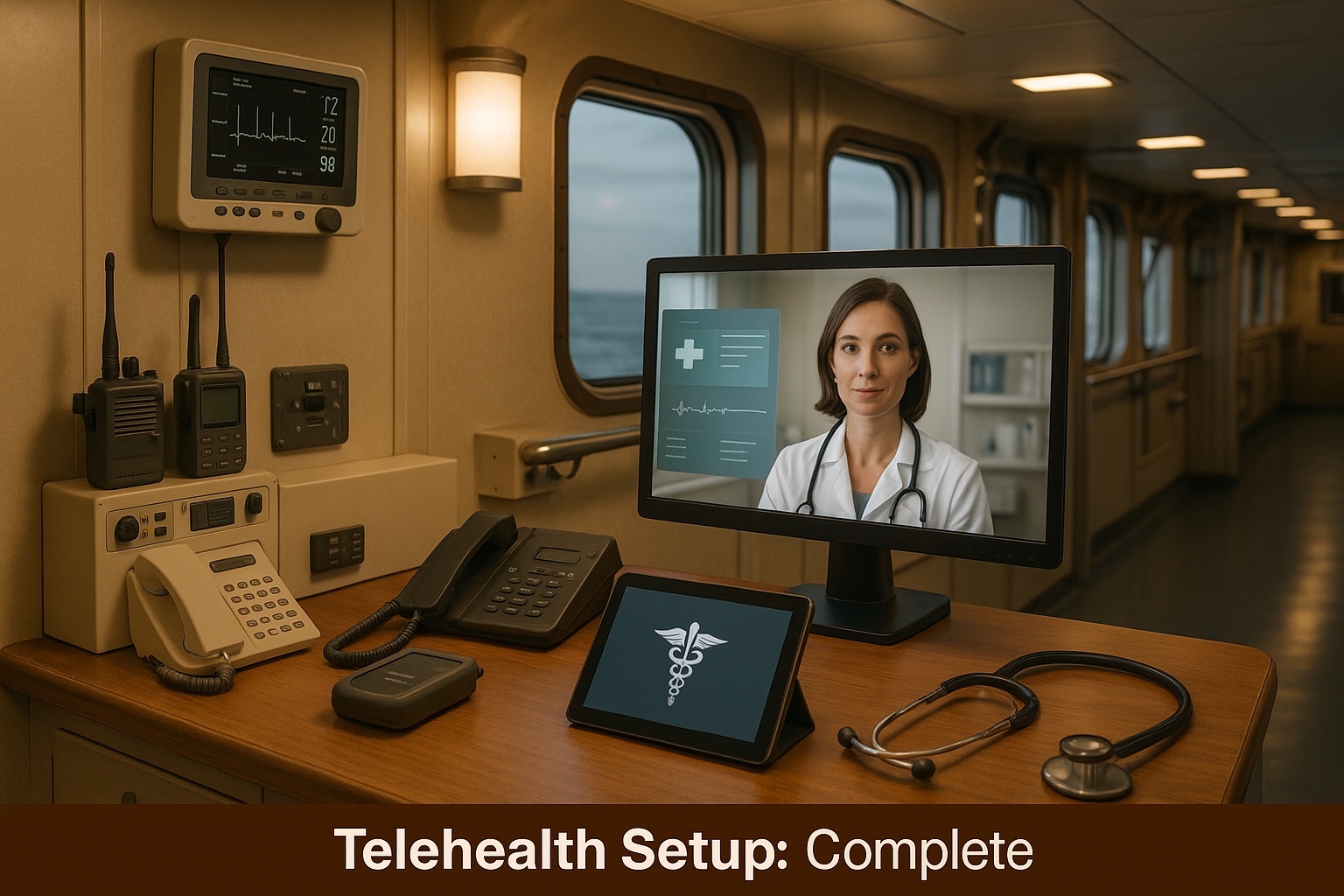

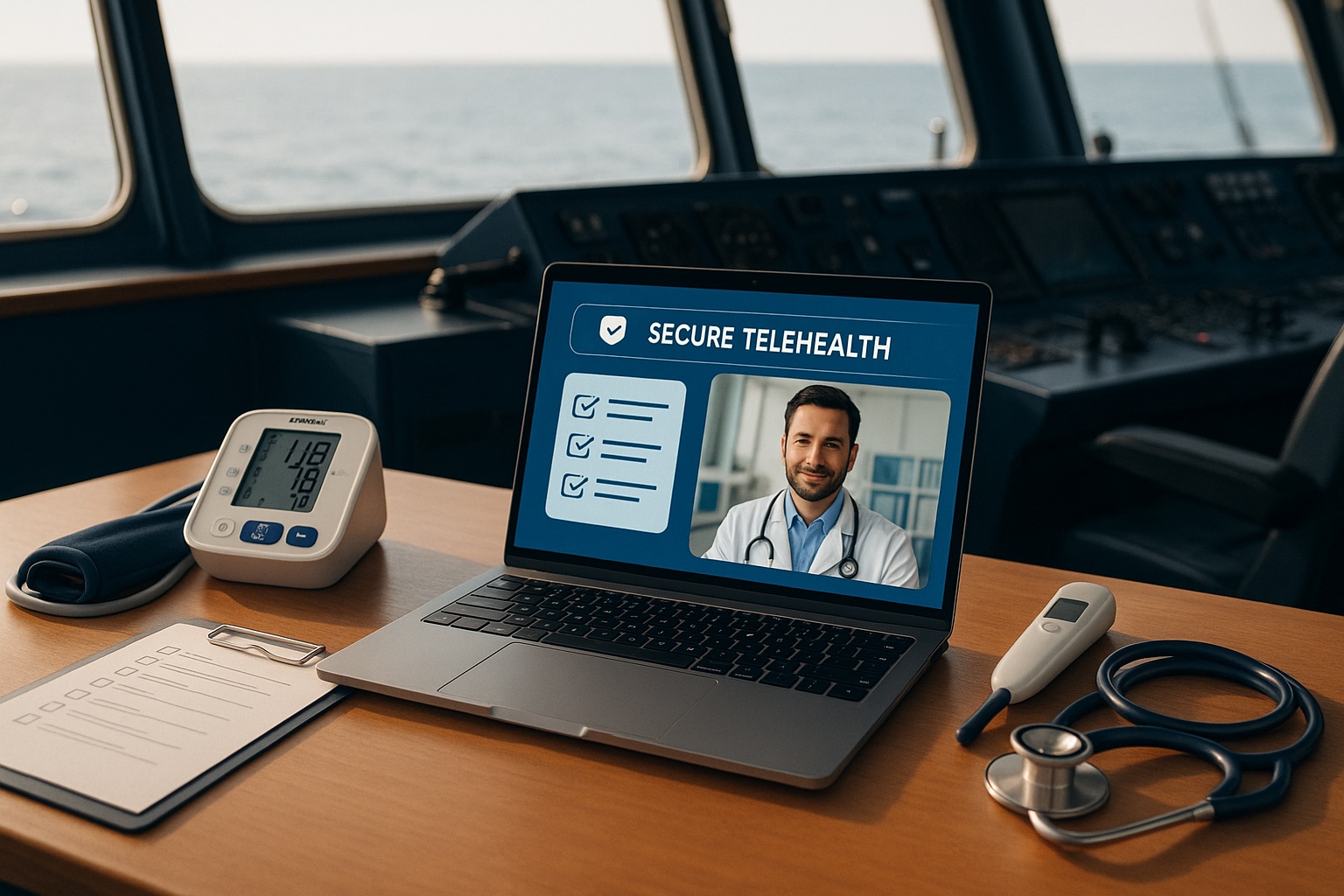
Checklist for Maritime Telehealth Compliance

Maritime telehealth connects ships to healthcare providers for real-time medical support, but compliance with regulations is critical to avoid penalties and ensure crew safety. Operators must meet international and U.S. laws, like HIPAA, Maritime Labour Convention (MLC) 2006, and GDPR, while addressing cybersecurity risks and maintaining proper medical documentation. Key steps include:

  • Regulations: Follow MLC, IMO, HIPAA, and GDPR rules for secure medical care and data handling.
  • Technology: Use encrypted video platforms, electronic health records (EHRs), and satellite communications.
  • Cybersecurity: Implement encryption, multi-factor authentication, and breach protocols.
  • Training: Ensure staff are trained in telehealth tools, data privacy, and emergency procedures.
  • Audits: Conduct regular compliance checks and maintain audit trails for at least six years.

Staying compliant requires robust systems, trained personnel, and continuous monitoring of evolving regulations. The right tools and processes not only protect patient data but also improve operational reliability.

Telemedical service procedure as per ALRS volume for shipboard medical emergency

Key Telehealth Compliance Regulations

Maritime telehealth operates under a complex web of international and national regulations. Navigating these rules is crucial for ensuring legal compliance, protecting crew members, and reducing liability risks.

International Maritime Regulations

The Maritime Labour Convention (MLC) 2006 serves as the foundation for global maritime telehealth standards. Covering over 1.2 million seafarers worldwide, it sets minimum requirements for medical care at sea, increasingly emphasizing telehealth solutions to connect crews with qualified healthcare providers. Additionally, International Maritime Organization (IMO) standards require vessels to carry appropriate medical equipment and ensure crews have timely access to medical advice, often facilitated by telemedicine platforms. As a result, telehealth systems must meet stringent demands, including 24/7 availability, reliable connectivity in challenging environments, and proper medical record management.

U.S. Federal and State Telehealth Laws

U.S.-flagged vessels must adhere to both international standards and additional federal regulations. Key requirements include:

  • HIPAA Compliance: Governs the secure handling and transmission of patient data.
  • DEA Regulations: Oversee the prescribing of controlled substances via telehealth.
  • Medicare Rules: Impact vessels serving Medicare-eligible passengers or crew members.

Cross-state licensing adds another layer of complexity. Providers typically need licenses in the state where the patient is located during treatment. However, federal exceptions and the Interstate Medical Licensure Compact can simplify this process. Starting April 1, 2025, providers must document video capabilities, patient location, and the reasoning for using audio-only services. Additionally, state-specific rules may require distinct standards for patient consent, recordkeeping, and technology use, making it essential for maritime operators to adapt protocols as vessels move between jurisdictions.

Data Privacy and Cybersecurity Standards

For U.S. operations, HIPAA compliance is non-negotiable. This includes end-to-end encryption, secure data storage, and breach notification protocols. For vessels operating in European waters or involving EU citizens, GDPR imposes similarly strict privacy measures.

Non-compliance can lead to severe consequences, including hefty fines, legal action, and reputational damage. The FTC’s Health Breach Notification Rule also mandates timely consumer notifications in case of data breaches. Companies like NT Maritime offer secure communication platforms with encrypted, real-time data exchange, designed to meet these rigorous standards – especially critical for federal and military operations.

Emerging technologies bring additional transparency requirements. Providers must disclose the use of AI-driven tools, ensuring these meet clinical and security standards through certifications and audits. Increased oversight from regulatory bodies like the Office of Inspector General further underscores the importance of regular compliance audits to stay ahead of evolving rules.

The table below outlines key compliance requirements across various regulatory frameworks:

Regulation Type Key Requirements Applicability
MLC 2006 / IMO Medical care, credentialing, secure records International (all vessels)
U.S. Federal/State Laws Licensing, DEA regulations, Medicare, coding/billing U.S.-flagged vessels
HIPAA / GDPR Data privacy, cybersecurity, staff training U.S./International
Safer Seas Act (2024) Video surveillance, signage, reporting U.S. vessels (10+ overnight)

Required Telehealth Technologies and Communication Systems

To ensure effective telehealth compliance in marine environments, operators need a solid foundation of technology that aligns with regulatory standards. This means deploying reliable telehealth tools and communication systems tailored for maritime use.

Core Telehealth Tools

Key tools for telehealth include:

  • Secure video conferencing platforms: These must be HIPAA-compliant and capable of functioning even with fluctuating connectivity.
  • Electronic Health Records (EHR) systems: Designed to sync with shore-based facilities while supporting offline operations when needed.
  • Remote diagnostic equipment: Built to withstand the challenging conditions of marine environments.
  • Vital sign monitoring devices: These should integrate smoothly with EHR systems for seamless data management.

These tools are essential for providing round-the-clock access to remote medical professionals. They should also be portable and easy to use, especially during emergencies. Additionally, compatibility with the vessel’s existing communication systems and power infrastructure is non-negotiable.

Once the tools are in place, maintaining consistent and reliable connectivity becomes the next priority.

Reliable Communication Networks

Satellite connectivity forms the backbone of telehealth operations at sea, linking vessels to shore-based medical facilities. Modern satellite systems, such as Starlink, deliver impressive performance with download speeds reaching up to 220 Mbps, upload speeds up to 40 Mbps, and latency under 99 ms. This capability supports smooth video consultations and real-time data sharing.

Backup systems, like VSAT or 4G/5G networks, are essential to ensure communication continuity if the primary system goes down.

Integration with the ship’s IT infrastructure is another critical factor. Telehealth platforms must work seamlessly within the vessel’s network setup, which includes secure Wi-Fi, crew management systems, and safety protocols. Providers like NT Maritime specialize in solutions that align telehealth technologies with onboard communication systems, ensuring dependable connectivity and support.

Regular system testing and proactive bandwidth management are vital to pinpoint connectivity issues and prioritize medical communications during high-demand periods.

Cybersecurity Measures

Strong connectivity must be paired with robust cybersecurity measures to safeguard sensitive medical data. Key steps include:

  • End-to-end encryption and multi-factor authentication: These ensure secure data transmission and compliance with HIPAA for U.S. operations and GDPR for international waters.
  • Regular penetration testing and vulnerability scans: These help identify and address potential security gaps before they can be exploited.
  • Incident response protocols: Clear guidelines for containment, regulatory notifications, and recovery processes minimize downtime during a breach.

Ongoing staff training on cybersecurity best practices is equally critical, reinforcing the security of sensitive medical information and ensuring compliance with regulatory standards. Regular updates and vigilance help protect both patient data and operational integrity.

Clinical Protocols and Medical Documentation

Building on reliable telehealth technologies and strong cybersecurity measures, having clear clinical protocols and accurate medical documentation is crucial for ensuring compliance in maritime telehealth operations. These practices not only help deliver consistent care but also meet regulatory requirements across various jurisdictions.

Telehealth Consultation Protocols

Standardized consultation procedures provide a structured approach to delivering medical care remotely. Start each consultation by confirming the patient’s identity and obtaining informed consent for data use. Use triage protocols to prioritize cases and establish clear steps for involving specialists or arranging emergency evacuations. Key details to document include the locations of the patient and provider, consultation duration, communication methods, discussion points, risk evaluations, and any diagnostic tests performed. On cargo vessels without onboard healthcare staff, it’s essential to train at least two crew members in operating telehealth systems to assist with remote consultations effectively.

Medical Recordkeeping Standards

Managing electronic health records (EHRs) securely and ensuring they are accessible to authorized personnel is a cornerstone of compliance. For U.S. operations, HIPAA-compliant platforms with strong encryption and secure login protocols are mandatory. International operations must also align with the regulations of the vessel’s flag state and port states. During emergencies, real-time updates to medical records are vital, allowing multiple providers to access up-to-date patient information simultaneously. To prevent data loss during connectivity issues, offline-capable EHR systems and robust backup procedures are essential. Additionally, regulatory bodies are paying closer attention to telehealth documentation and billing practices, making meticulous recordkeeping even more critical.

Training and Credentialing

Thorough training and proper credentialing are key to maintaining compliance and ensuring high-quality care in maritime telehealth. Credentialing should include verifying active medical licenses, completing telehealth-specific training, and participating in ongoing education. This training should cover operating telehealth equipment, managing EHRs, safeguarding patient privacy, and responding to emergencies. Certifications must be regularly updated to keep pace with advancing technology and changing regulations. Crew members assisting with telehealth should also be trained in equipment setup, secure data handling, and basic emergency procedures. Maintaining detailed records of all training sessions, certification renewals, and competency evaluations not only demonstrates compliance but also supports continuous quality improvement. Properly credentialed teams enhance patient safety, which remains a top priority in maritime healthcare.

Compliance Monitoring and Continuous Improvement

Adhering to regulatory standards and keeping pace with technological protocols is just the starting point for telehealth operations in maritime settings. To stay compliant, continuous monitoring is essential. The regulatory landscape is always evolving, and new security threats emerge regularly. Without proper systems in place, even small oversights can escalate into serious violations, jeopardizing both patient safety and operational integrity.

Routine Compliance Audits

Regular audits are a cornerstone of any successful maritime telehealth program. Conducting these reviews quarterly ensures that regulatory requirements – like HIPAA, international maritime regulations, and internal company policies – are consistently met. These audits should cover key areas such as telehealth documentation, secure data transmission protocols, and staff training records.

Maintaining digital audit trails is equally important. These records should document telehealth activities, system changes, and data access logs. To meet HIPAA requirements, operators should retain these records for at least six years, ensuring they are readily available for inspections.

A notable example of the benefits of systematic auditing comes from the U.S. Coast Guard. In 2024, they introduced annual HIPAA training and routine telehealth audits for clinic staff. This initiative led to a 15% reduction in compliance violations and an improvement in patient experience metrics. Their program also included technology troubleshooting training and standardized telehealth orientation procedures, with results tracked through quality metrics and usage reports.

Common compliance gaps uncovered during audits include poor documentation of telehealth sessions, insufficient staff training, and incomplete audit trails. Addressing these issues often requires adopting electronic health record (EHR) systems, implementing regular training programs, and using automated tools to log user actions without manual input.

These audits also pave the way for testing system upgrades, ensuring any new implementations meet compliance standards.

Pilot Testing and Feedback

Introducing new telehealth systems without testing can lead to operational hiccups and compliance risks. Pilot testing on a smaller scale – such as deploying systems on a handful of vessels – helps identify potential challenges under real-world maritime conditions. This approach allows operators to address issues like satellite communication reliability and data security before rolling out the systems across the entire fleet.

Feedback from crew members and healthcare providers during pilot testing is invaluable. Surveys, interviews, and incident reports can shed light on usability and reliability issues that may not emerge during lab testing. For example, if multiple vessels report connectivity problems during emergency consultations, operators can enhance satellite systems before full implementation.

This feedback should focus on practical compliance concerns, such as difficulties accessing patient records during emergencies, secure data transmission problems, or challenges in documenting consultations. When systems are difficult to use, staff may resort to workarounds that compromise compliance, so addressing these issues is critical.

By incorporating lessons learned from pilot testing into training programs, system updates, and compliance checklists, operators can ensure smoother deployments. This iterative process not only strengthens compliance but also boosts system reliability across the fleet.

Once systems are refined and deployed, robust incident reporting and regular policy updates help maintain compliance over time.

Incident Reporting and Policy Updates

Quick reporting of system failures or security breaches is essential for minimizing risks. Reports should include details like the time of the incident, the nature of the issue, affected systems, and the immediate response taken.

Incident response protocols should clearly outline steps for containment, investigation, notification of affected parties, and, when necessary, regulatory reporting. Regular drills and training ensure crew members know how to respond effectively and report incidents promptly. This rapid response approach protects patient safety and reduces compliance risks.

Policies should be updated at least annually or whenever significant changes occur – whether in regulations, technology, or operational procedures. Immediate policy reviews might be triggered by new telehealth laws, changes to HIPAA requirements, or insights from incident reports and audits. For instance, the Office of Inspector General has recently increased its focus on telehealth compliance, particularly in areas like coding, billing, and documentation practices, making regular updates even more critical.

Continuous monitoring adds another layer of protection. Real-time tracking of system performance, user activity, and data access patterns can help detect potential compliance risks early. Automated alerts, for example, can notify operators of unusual activity or possible security breaches, enabling swift corrective actions.

NT Maritime offers a robust example of continuous monitoring in action. Their integrated systems provide real-time tracking of telehealth performance and secure communication networks. With automated logging capabilities and system performance monitoring, these solutions help maritime operators maintain compliance while ensuring secure data transmission across satellite networks. This dual focus on compliance and operational reliability is essential for the unique challenges of maritime environments.

Using Checklists and Tables for Compliance Verification

Checklists and comparison tables are excellent tools for breaking down the complexities of telehealth regulations into manageable steps. They help maritime operators systematically address compliance requirements across various jurisdictions, ensuring no critical details are missed. These tools not only simplify the process but also ensure consistency in meeting maritime telehealth standards.

Checklist for Regulatory Compliance

A thoughtfully crafted checklist can help navigate the intricate demands of telehealth regulations. Each item should be specific enough to confirm completion while covering all necessary regulatory aspects. Drawing from both international and U.S. frameworks, effective checklists provide clear, actionable steps for compliance.

Key items to include might involve verifying that telehealth platforms comply with HIPAA security standards, confirming that staff have completed role-specific training, and ensuring business associate agreements are in place with technology vendors. Documentation should have its own section, detailing the proper logging of telehealth encounters, secure storage of electronic protected health information, and maintenance of audit trails for at least six years.

Cybersecurity measures deserve particular attention in these checklists. Operators need to confirm the use of encrypted communications, conduct regular vulnerability assessments, and establish reliable data backup procedures. These steps are increasingly important as cyberattacks on healthcare providers, including telehealth platforms, continue to rise.

Recent guidance from the Office of Inspector General has emphasized telehealth compliance, particularly in areas like coding, billing, and documentation practices. Checklists should also include verification of provider credentialing for each jurisdiction, confirmation of payer coverage for telehealth services, and documentation of patient consent for remote consultations. Each completed item should be dated and signed to create a reliable audit trail.

Comparison Table for Compliance Requirements

Comparison tables are a practical way to highlight differences in regulatory requirements across jurisdictions. They allow operators to quickly identify overlaps between international maritime regulations and U.S. federal guidelines, as well as any additional state-specific steps that may be required.

For instance, a table might compare licensing requirements, showing how flag state mandates differ from U.S. state licensing and CMS regulations. It could also contrast technology standards, outlining differences between IMO secure communications requirements, HIPAA standards, and state-specific telehealth mandates. Here’s an example:

Requirement Type International Maritime U.S. Federal (Medicare) State/Commercial Payers
Licensing Flag state, IMO State license, CMS State license
Technology Standards Secure comms, IMO HIPAA, CMS HIPAA, state-specific
Documentation Medical logs, IMO Detailed encounter logs Varies by payer
Coding/Billing N/A POS codes, modifiers Varies by payer
Credentialing Flag state, IMO By proxy, CMS State, payer-specific

Documentation requirements often differ significantly between jurisdictions. For example, Medicare mandates specific place of service codes and modifiers, while commercial payers may follow entirely different standards. These tables should be updated regularly to reflect any regulatory changes, ensuring compliance efforts remain current.

Evaluating Telehealth Technology Platforms

When choosing telehealth technology platforms, operators must adopt a systematic approach to evaluation. Comparison tables can help assess platforms based on features, costs, and maritime-specific capabilities. Important criteria include HIPAA compliance, compatibility with satellite communication networks, robust encryption, and offline functionality – especially critical for maritime operations where connectivity can be unpredictable.

Other factors to consider include integration with medical devices, user training requirements, vendor support quality, and total cost of ownership. Some platforms may appear cost-effective initially but require extensive training or lack the support needed for maritime settings.

NT Maritime’s integrated communication systems serve as a strong benchmark for these evaluations. Their secure communication networks and telehealth technologies are designed specifically for maritime environments, offering features like real-time performance tracking and automated logging to meet compliance needs. When evaluating other platforms, operators should compare features such as satellite compatibility, cybersecurity measures, and overall reliability to ensure they align with maritime requirements.

Finally, ensure the vendor’s compliance with maritime regulations. Not all telehealth platforms are equipped to handle the unique challenges faced by maritime operators. It’s essential to verify that vendors can support compliance across multiple jurisdictions. Additionally, scalability is a key consideration – platforms that work well on a few vessels may not perform as effectively during larger deployments.

Conclusion: Maintaining Maritime Telehealth Compliance

Ensuring compliance in maritime telehealth is an ongoing process that demands vigilance and a willingness to adapt. The unique challenges of the maritime environment – like unreliable connectivity and ever-changing regulations – make this a particularly complex task.

At the heart of successful compliance are three key components: a strong technological foundation, active regulatory monitoring, and regular system updates. These elements work together to protect patient data and maintain seamless operations.

Technology plays a crucial role here. Tools like encrypted communication networks and HIPAA-compliant platforms are vital for meeting both U.S. and international standards. With cyberattacks on the rise, robust cybersecurity measures are no longer optional – they’re essential.

Keeping up with regulatory changes is equally important. Oversight agencies are paying closer attention to areas like coding, billing, and documentation. Staying updated with guidelines from the International Maritime Organization, CMS, and state regulations is a must to avoid compliance gaps.

Some maritime telehealth programs have already shown how effective compliance can lead to tangible results. Take, for example, a commercial shipping company that implemented encrypted video consultations and conducted routine audits. This approach not only reduced medical evacuations by 30% but also boosted crew satisfaction [2, 5]. This case demonstrates how compliance isn’t just about meeting legal requirements – it can directly enhance crew well-being and operational efficiency. Achieving such results also highlights the importance of ongoing staff training and regular system evaluations.

Continuous staff training and credentialing are critical as both technology and regulations evolve. Without them, even the best systems can fall short.

The maritime telehealth landscape is changing rapidly. Operators who establish clear protocols for audits, incident reporting, and continuous improvement will be better equipped to adapt while maintaining compliance.

Companies like NT Maritime are setting an example with their integrated communication systems tailored specifically for maritime needs. Their secure networks and telehealth technologies offer features like automated logging and real-time performance tracking, helping operators navigate compliance across multiple jurisdictions while ensuring reliable medical care at sea.

Building a sustainable telehealth program requires a proactive approach. By combining dependable technology, ongoing training, and diligent regulatory monitoring, operators can safeguard crew health and meet all legal requirements. For detailed steps, refer to the regulatory compliance checklist provided earlier in this guide.

FAQs

What are the key U.S. and international regulations maritime telehealth systems must follow, and how do they differ?

Maritime telehealth systems must navigate a complex web of U.S. and international regulations to ensure they operate safely, securely, and effectively. In the U.S., compliance with HIPAA (Health Insurance Portability and Accountability Act) is non-negotiable. This law safeguards patient data and ensures secure communication of health information. On the global stage, maritime operators are often required to follow IMO (International Maritime Organization) standards, which focus on vessel safety and operational protocols. Additionally, if these systems handle the data of European Union citizens, they must comply with the GDPR (General Data Protection Regulation) to protect privacy.

The key distinction between these regulations lies in their focus. U.S. laws like HIPAA are specifically designed to protect health information, while international standards such as those from the IMO take a broader approach, emphasizing overall safety and functionality. To deliver secure and dependable healthcare services at sea, operators must ensure their telehealth systems meet both U.S. and international requirements.

How can maritime operators ensure secure and reliable telehealth services onboard?

To deliver secure and dependable telehealth services at sea, maritime operators need communication networks built to handle the distinct challenges of the maritime environment. NT Maritime provides specialized IT and communication solutions tailored to meet these needs, focusing on both connectivity and cybersecurity.

Their offerings include high-speed internet, encrypted communication tools, and integrated systems for voice, video, and messaging. These features ensure that operators can provide uninterrupted telehealth services to both passengers and crew, even in the most remote ocean regions.

What steps should maritime operators take to ensure their telehealth systems comply with regulations?

To keep maritime telehealth operations in line with regulations, it’s essential to follow a systematic approach and prioritize regular audits. Start by pinpointing the regulations and standards that apply specifically to maritime telehealth. These might include rules around data privacy, secure communication systems, and patient safety protocols.

Once you’ve identified the requirements, evaluate your current telehealth systems to ensure they meet these standards. This means checking for secure data transmission, keeping software updated, and providing adequate training for onboard staff. It’s equally important to document all these processes thoroughly. Detailed records will not only help maintain compliance but also serve as evidence during inspections or audits.

For specialized support, NT Maritime provides secure communication technologies designed for maritime operations, helping simplify compliance efforts while boosting operational efficiency.
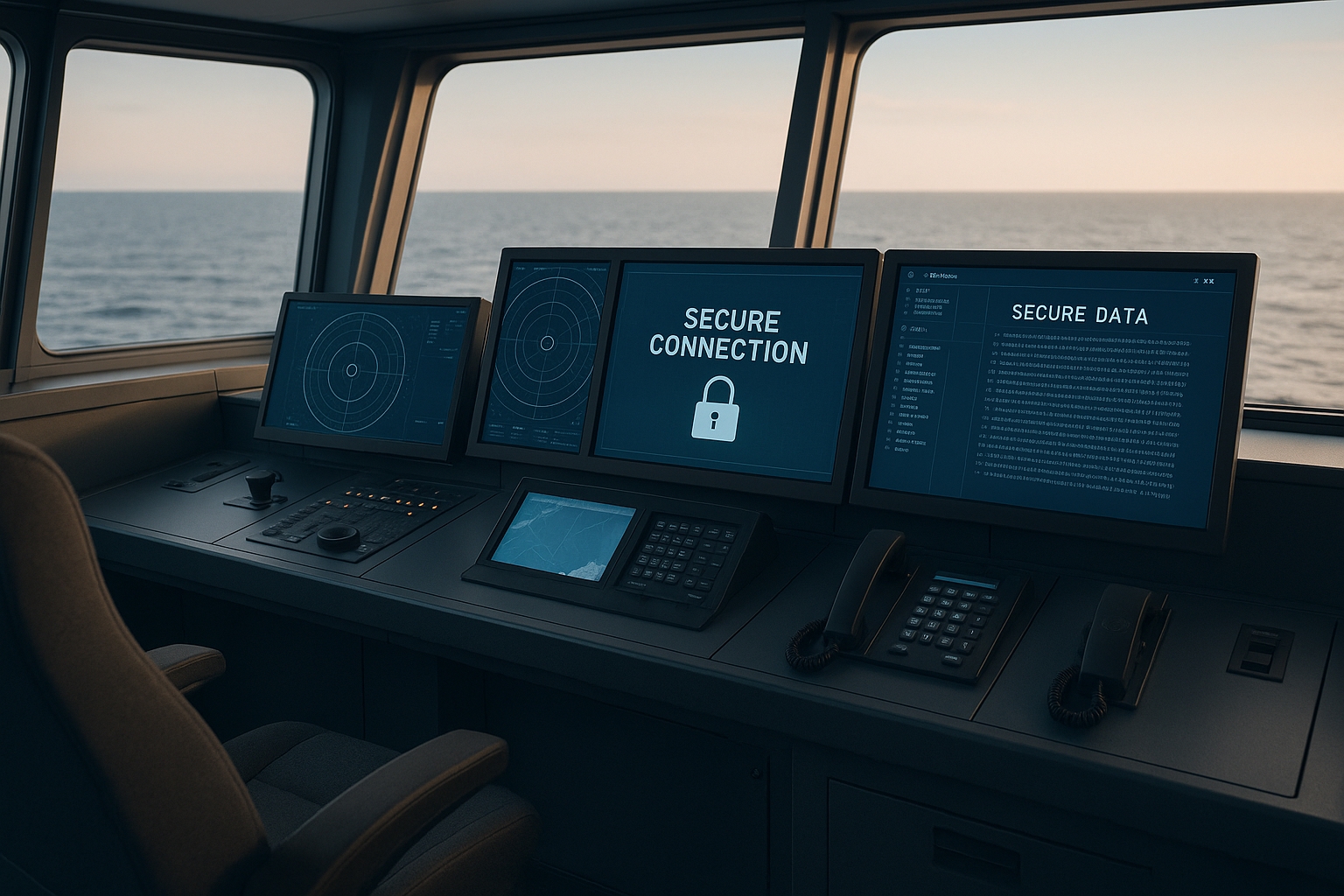
How to Set Up Secure Maritime Communications

Securing maritime communications is critical for protecting ships from cyber threats like data breaches, GPS spoofing, and ransomware. Ships rely on satellite connections, which are vulnerable to attacks, making strong cybersecurity measures essential. Here’s how to secure maritime communication systems effectively:

  • Understand Threats: Risks include intercepted data, compromised navigation, and insider misuse.
  • Meet Regulations: Follow standards like SOLAS, GMDSS, and U.S. Coast Guard rules to ensure compliance.
  • Use Encryption: Implement SSL/TLS, VPNs, and end-to-end encryption to secure data.
  • Strengthen Access Controls: Use Multi-Factor Authentication (MFA) and role-based access.
  • Deploy Onboard Security: Firewalls, VPNs, and network segmentation protect internal systems.
  • Monitor and Maintain: Regular updates, real-time monitoring, and crew training reduce vulnerabilities.

Webinar: Onboard cybersecurity – Key insights and best practices

Security Requirements for Maritime Communications

Maritime vessels face a challenging cybersecurity landscape. Operating at sea comes with its own set of risks, compounded by the need to comply with strict regulations and cater to different operational demands depending on the type of vessel. These factors create a complex environment where specialized security solutions are essential to protect against cyber threats. Both international and U.S. standards play a critical role in addressing these risks.

Maritime Cybersecurity Threats

Maritime operations are vulnerable to a variety of cyber threats, each with potentially severe consequences:

  • Data breaches can expose sensitive shipping information, leading to financial losses, supply chain disruptions, and competitive disadvantages.
  • GPS spoofing attacks use fake signals to mislead vessels, potentially steering them into restricted or hazardous areas. Such incidents can escalate into international disputes or endanger crew and cargo.
  • Ransomware attacks are particularly dangerous at sea, where limited technical support can jeopardize navigation and operational safety.
  • Man-in-the-middle attacks target satellite communications, allowing attackers to intercept and manipulate sensitive data in real time.
  • Insider threats pose risks when crew members with extended access to systems misuse their privileges, intentionally or unintentionally compromising operations.

International and U.S. Regulations

To mitigate these threats, vessels must comply with a range of maritime security regulations:

  • The Safety of Life at Sea (SOLAS) Convention requires vessels to maintain reliable communication systems for distress and safety. Chapter IV specifically addresses cybersecurity measures for ship systems and networks, ensuring robust protections are in place.
  • The Global Maritime Distress and Safety System (GMDSS) mandates redundant communication channels for emergencies. These systems must remain secure and operational under challenging conditions.
  • U.S. Coast Guard regulations (33 CFR Part 104) demand vessel security plans that include protections for communication systems. Compliance involves regular security assessments, crew training, and tailored incident response protocols.
  • The Maritime Transportation Security Act (MTSA) focuses on safeguarding communication systems from unauthorized access and ensuring data integrity. Compliance requires detailed security procedures and routine audits.
  • The International Ship and Port Facility Security (ISPS) Code extends its requirements to communication security, emphasizing the protection of sensitive operational data and secure channels for security-related communications.

Communication Needs by Maritime Sector

Different maritime sectors have unique communication requirements, each demanding specific security measures:

  • Cruise lines handle vast amounts of passenger data and require high-bandwidth connections to support services like entertainment, financial transactions, and safety communications. These vessels need constant connectivity to ensure guest satisfaction and regulatory compliance. Any security breach can lead to hefty penalties and significant reputational damage.
  • Cargo ships prioritize the protection of commercial and operational data, such as cargo manifests and shipping schedules. While their bandwidth needs are lower, they require highly reliable and secure connections to coordinate with ports, customs, and logistics partners. Protecting this data is critical to avoid competitive or criminal exploitation.
  • Government vessels operate under the strictest security protocols, often managing classified information. These ships require encrypted communications that can withstand sophisticated cyberattacks, ensuring operational security even in hostile environments. Their systems must also support secure voice, data, and video communications while maintaining interoperability with allied forces.

Communication requirements vary widely depending on the vessel’s size, purpose, and operating conditions. Smaller ships may rely on basic satellite services, while larger commercial and government vessels need advanced, multi-layered communication systems with redundancy and state-of-the-art security measures.

Tools and Technologies for Secure Maritime Communications

Creating secure maritime communication systems involves a layered approach that blends advanced network security measures with integrated communication platforms. In maritime settings, safeguarding sensitive data and maintaining seamless operations are top priorities.

Onboard Network Security: Firewalls and VPNs

Securing a vessel’s internal network calls for specialized tools designed for maritime conditions. Firewalls tailored for these environments perform deep packet inspections even when bandwidth is limited or connections are spotty, blocking harmful traffic before it can reach essential systems. Network segmentation, achieved through VLANs, separates different types of traffic, minimizing the risk of attackers moving laterally across the network. Encrypted VPNs further fortify the system by creating secure channels for remote troubleshooting and software updates. Intrusion detection systems add an extra layer of protection by continuously monitoring traffic and responding to unusual activity in real time. Together, these measures lay the groundwork for comprehensive solutions like those offered by NT Maritime.

NT Maritime Communication Solutions

NT Maritime

NT Maritime provides integrated communication platforms designed to meet the unique challenges of maritime operations. Their onboard systems offer encrypted voice, text, and group communication networks, ensuring secure internal connectivity. Video calling features enable private, secure face-to-face conversations, meeting strict standards for sensitive data transmissions. For medical emergencies, NT Maritime’s telehealth technologies allow onboard personnel to consult securely with shore-based specialists, ensuring the confidentiality and reliability of critical health information. High-speed internet services deliver impressive speeds of up to 220 Mbps for downloads and 40 Mbps for uploads, with latency kept under 99 milliseconds – maintaining performance even when bandwidth is limited. Additionally, NT Maritime’s secure packages for government and military use provide encrypted, isolated communication channels for handling classified information.

How to Set Up Secure Communication Systems

To strengthen maritime security, implementing advanced encryption and strict access controls is a must. Many older maritime systems lack basic encryption and authentication, leaving them vulnerable to attacks. By integrating modern encryption protocols and robust access controls, maritime communication networks can be significantly more secure. Below, we outline the key steps for setting up encryption and access controls to protect sensitive communications.

Setting Up Encryption and Access Controls

Start by deploying SSL/TLS or VPN encryption to secure ship-to-shore communications. Ensure all communication channels use end-to-end encryption, which protects data both while it’s being transmitted and when it’s stored. This step is crucial for safeguarding voice transmissions, messages, and other data exchanges between vessels and shore-based operations.

Adopt a Zero-Trust model by incorporating Multi-Factor Authentication (MFA), Single Sign-On (SSO), and identity-based, role-specific access controls. These measures ensure that only authorized personnel can access sensitive systems.

"MFA, which requires users to provide two or more verification factors to gain access, is essential for keeping key systems safe from people who shouldn’t have access to them." – Sperton

Real-world results highlight the effectiveness of these strategies. For example, in 2021, the Port of Houston successfully defended against a suspected nation-state cyberattack. By leveraging a strong zero-trust framework, the port avoided what could have been $1.14 million in breach-related damages.

Maintaining and Monitoring Secure Maritime Communication Systems

Ensuring maritime communication systems remain secure and functional over time is no small feat. The maritime environment presents unique challenges that demand constant vigilance and a proactive approach to maintenance. Let’s explore how regular upkeep, real-time monitoring, and crew training contribute to lasting security.

Regular Maintenance and Updates

Keeping software and hardware up to date is the cornerstone of maritime cybersecurity. Ships often spend long stretches at sea, far from technical support, so having a clear update plan before departure is critical. Scheduling security patches during planned maintenance and ensuring backup systems are fully operational during updates are essential steps to minimize risks.

Hardware inspections are equally important. The harsh conditions at sea – saltwater, humidity, and vibrations – can wear down equipment faster than on land. Regularly check components like antenna connections, cooling systems, and network cables to prevent failures.

One real-world incident underscores the importance of updates. A ship with integrated navigation systems suffered a complete system failure during bad weather and heavy traffic. The culprit? Outdated software caused the system to crash, forcing the crew to rely on manual backups and delaying repairs. The situation not only posed safety risks but also resulted in significant costs and downtime.

To avoid such scenarios, plan updates during port calls when technical support is readily available. Keep detailed logs of software versions, patches, and hardware replacements to track system health and ensure compliance.

Real-Time Monitoring and Incident Response

Real-time monitoring is crucial, especially when immediate technical support isn’t an option. Automated tools can track network traffic, system performance, and security events, enabling quick detection of potential threats.

On average, it takes 140 days to identify a cyberattack, though this timeline has been improving due to heightened awareness and stronger security protocols. For ships operating in isolation, delayed detection can lead to severe consequences.

Equip crews with incident response protocols they can execute independently. These protocols should cover isolating compromised systems, activating backup communication channels, and documenting security events for later analysis. Detailed playbooks for common scenarios – such as malware infections or unauthorized access – ensure the crew can act swiftly and effectively.

NT Maritime’s communication systems provide built-in monitoring tools that alert crews to potential issues in real time. These alerts, combined with diagnostic data, help crews address problems before they escalate. However, technology alone isn’t enough; rigorous crew training is essential to strengthen overall security.

Crew Training and Awareness

The crew is the first line of defense against cyber threats, making training a top priority. Human error and a lack of cybersecurity awareness are leading causes of security breaches.

"Human errors and the lack of cyber security awareness are two main factors leading to major cyber security incidents. Awareness and training can significantly reduce the likelihood and the impact of security breaches." – Cyber Risk GmbH

Simulated exercises, such as phishing tests and social engineering scenarios, help crew members recognize and respond to threats in a controlled environment. Training programs should be updated regularly to address emerging threats, new technologies, and evolving best practices. Practical skills like spotting suspicious emails, creating strong passwords, and securely handling data should take center stage.

Collaboration between IT teams and operational crews is key to building a resilient system. When both groups understand each other’s challenges, security protocols can be seamlessly integrated into daily operations. Quarterly cybersecurity drills that test incident reporting, system isolation, and emergency communication protocols help identify gaps and reinforce best practices.

For specialized training, programs like the Maritime Cybersecurity Trained Professional (MarCybTPro) offer courses tailored to maritime environments. The first program costs $297, with additional courses priced at $197 each.

Conclusion

Protecting maritime communications is critical to ensuring the safety of vessel operations, crew, and passengers in the face of ever-evolving cyber threats. The maritime sector presents its own set of challenges, from harsh weather conditions to long stretches without direct technical support, making specialized solutions a necessity.

To address these challenges, a combination of integrated technologies and strict maintenance protocols is key. Tools like encrypted satellite communications, firewalls, VPNs, regular system updates, and comprehensive crew training all work together to create a strong security framework.

For vessels operating independently at sea, real-time monitoring and effective incident response protocols are equally important. These measures allow crews to identify and neutralize potential threats before they escalate into serious issues.

NT Maritime’s secure networks meet federal and military standards, offering high-speed connectivity and integrated communication systems tailored for a broad range of maritime operations. These solutions deliver the reliability and security needed while remaining adaptable to the changing demands of the industry.

By investing in secure communication systems, maritime operations can achieve better operational continuity, meet regulatory requirements, and ensure the safety of their crew. As the industry becomes more digitized, vessels equipped with advanced communication security will not only reduce risks but also maintain a competitive edge.

Adopting these strategies and leveraging NT Maritime’s trusted platform can help safeguard your vessel against emerging cyber threats, ensuring smooth and secure operations well into the future.

FAQs

What encryption technologies are best for securing maritime communications, and how do they ensure data protection?

For ensuring secure maritime communications, AES-256 encryption (Advanced Encryption Standard with 256-bit keys) stands out as a trusted option. Known for its use in military-grade applications, it protects sensitive data by transforming plaintext into ciphertext through advanced algorithms, making it extremely difficult for unauthorized parties to gain access. This encryption works effectively for both data in transit and data stored on devices.

Another crucial technology is TLS (Transport Layer Security), which is widely used to secure ship-to-shore communications. TLS ensures that data remains confidential and unaltered during transmission. For added protection, specialized encryptors tailored for maritime environments are employed. These devices help prevent data interception or tampering, ensuring secure and reliable communication even in challenging conditions at sea. Together, these tools play a key role in safeguarding critical information and maintaining seamless connectivity.

What are the key differences between U.S. and international cybersecurity regulations for maritime vessels?

In the United States, the Coast Guard enforces maritime cybersecurity regulations with a clear focus on detailed compliance. These rules require incident reporting, the development of cybersecurity plans, the designation of a Cybersecurity Officer, and annual personnel training. Compliance deadlines are strict, with some requirements already set for 2027. These regulations primarily target U.S.-flagged vessels and facilities, aiming to create enforceable and uniform cybersecurity standards.

On the other hand, international standards, such as the IMO’s Resolution MSC.428(98), take a broader approach. They require ships to incorporate cyber risk management into their safety systems and encourage the use of global frameworks like IEC 62443 to enhance system security. Unlike the highly prescriptive U.S. regulations, international guidelines prioritize flexibility and adopt a risk-based approach to managing cybersecurity challenges.

How can crew members be trained to effectively handle cybersecurity risks at sea?

To help crew members tackle cybersecurity risks at sea, start with thorough training on secure communication systems and protocols. Teach them how to safely operate equipment, spot potential threats, and adhere to cybersecurity practices designed to protect both the vessel and its data.

Make sure they’re familiar with the latest maritime cybersecurity regulations, like the IMO’s 2021 Maritime Cyber Risk Management guidelines. Stress how these rules play a crucial role in safeguarding sensitive information and ensuring smooth operations. Regular drills and updates on new threats can go a long way in keeping the crew sharp and ready to respond effectively.

Top 7 Maritime Communication Systems in 2025

The maritime industry in 2025 relies on advanced communication systems to ensure safety, efficiency, and connectivity for ships across the globe. These systems integrate modern technologies like satellite internet, 5G, and IoT to support navigation, weather updates, emergency alerts, and onboard communication for both crew and passengers. Here’s a quick summary of the top systems shaping maritime communication today:

  1. NT Maritime Integrated Communication Platform: Offers high-speed internet (220 Mbps download, 40 Mbps upload), onboard calling, video, and telehealth services with strong security measures.
  2. Satellite-Based Maritime Internet Systems: Provides global coverage using geostationary and LEO satellites, with speeds up to 100 Mbps and low latency for real-time operations.
  3. Cruise Line Communication Platforms: Combines satellite, cellular, and onboard WiFi for uninterrupted passenger and crew connectivity, with integrated safety features.
  4. Government and Military Communication Solutions: Focuses on secure, mission-critical communication with strict compliance to federal standards.
  5. 5G and Cellular Maritime Networks: Enhances vessel-to-shore communication with faster speeds, lower latency, and seamless integration with shipboard systems.
  6. Global Maritime Distress and Safety Systems (GMDSS): Ensures emergency communication across sea areas using modernized satellite and digital technologies.
  7. Software-Defined Radios and IoT Communication: Flexible systems supporting multiple protocols, IoT integration, and real-time monitoring for predictive maintenance.

These systems address the growing demands of the maritime industry by providing reliable, secure, and efficient communication solutions, paving the way for safer and more connected operations.

Quick Comparison:

System Key Features Speed/Latency Coverage Integration Focus Security Standards
NT Maritime Platform High-speed internet, telehealth 220 Mbps/99 ms Onboard WiFi Passenger management, safety Encrypted, multi-layer auth
Satellite Internet Global coverage, LEO & GEO satellites 100 Mbps/20-40ms (LEO) Global (incl. polar) IT infrastructure End-to-end encryption
Cruise Line Platforms Hybrid satellite/cellular/WiFi Dynamic Coastal & open sea Safety, passenger services Network segmentation
Gov/Military Solutions Mission-critical, secure comms Varies Classified routes Classified data handling Federal compliance
5G Maritime Networks Low latency, high bandwidth 5G speeds Coastal & near-shore Remote diagnostics, cargo Zero-trust, geofencing
GMDSS Emergency communication, updated tech Varies Sea Areas A1-A4 Safety systems, AIS IMO/SOLAS compliance
SDR & IoT Systems Multi-protocol, IoT-enabled Varies Coastal & open sea Predictive maintenance, ECDIS AES-256 encryption

These technologies are reshaping maritime communication, ensuring better safety, efficiency, and connectivity for diverse maritime operations.

The Future of Marine Communications: Harnessing Advanced Technologies

1. NT Maritime Integrated Communication Platform

NT Maritime

NT Maritime’s platform brings together all communication needs for cruise ships, government vessels, and military ships. It’s designed to provide dependable, flexible, and secure connectivity at sea, improving both operations and the experience for passengers.

The system supports onboard calling, messaging (including group chats and ship-to-app communication), video calls, and voicemail. These features adapt effortlessly to the size of the vessel, ensuring smooth operations and enhanced communication for everyone onboard.

Coverage and Connectivity

Using the ship’s WiFi, the platform ensures consistent coverage throughout the vessel. It also provides high-speed internet with download speeds up to 220 Mbps, upload speeds up to 40 Mbps, and latency under 99 ms. This level of connectivity supports real-time operations and keeps passengers connected.

Integration with Shipboard Systems

A standout feature of the platform is how it integrates with onboard systems. It works seamlessly with passenger management systems to automate notifications, handle emergency communications, and send personalized messages. Additionally, telehealth capabilities allow for efficient medical consultations and monitoring while at sea.

Security and Compliance Standards

Security is a top priority. The platform employs encrypted channels, multi-layer authentication, and secure transmission protocols to safeguard sensitive information. It meets strict federal and military standards, ensuring communications remain protected at all times.

2. Satellite-Based Maritime Internet Systems

Satellite-based maritime internet has become the backbone of modern vessel connectivity, offering dependable communication links across the vast expanse of the world’s oceans. By using low Earth orbit (LEO) and geostationary satellites, these systems deliver broadband-level speeds that support everything from crew communication and passenger entertainment to the seamless transmission of critical operational data.

This technology fills the connectivity gap where traditional networks fall short.

Coverage and Connectivity

Satellite systems offer global coverage, ensuring vessels stay connected no matter where they are on the ocean. Unlike terrestrial networks that lose signal beyond coastal areas, satellite connectivity ensures consistent service whether a ship is 10 miles or 1,000 miles from shore.

This coverage spans from polar regions to equatorial waters, making it indispensable for vessels navigating international routes. Ships in remote areas, such as the mid-Pacific or Southern Ocean, rely entirely on satellite links for communication.

  • Geostationary satellites: Positioned 22,236 miles above Earth, these satellites cover wide areas but experience higher latency.
  • LEO satellite constellations: Orbiting much closer – between 340 and 1,200 miles – LEO satellites provide lower latency but require a larger number of satellites to maintain uninterrupted service as they move across the sky.

Bandwidth and Latency

Satellite internet speeds vary based on the technology and service tier:

  • Download speeds: Range from 1 Mbps to over 100 Mbps.
  • Upload speeds: Range from 512 Kbps to 20 Mbps.

Latency differs significantly between satellite types:

  • Geostationary satellites: Latency typically falls between 500-700 milliseconds, which can affect real-time applications.
  • LEO satellites: Latency is much lower, around 20-40 milliseconds, making activities like video calls and voice communication far more practical.

Integration with Shipboard Systems

Modern satellite internet systems integrate seamlessly with onboard IT infrastructure. They connect through standard networking equipment, allowing vessels to extend their internal networks to include satellite connectivity without requiring major upgrades.

  • Automatic failover systems: These ensure uninterrupted service by switching between satellite providers or beams if one connection fails, maintaining critical communication during outages or equipment issues.
  • Quality of Service (QoS) management: Critical communications, such as safety messages and operational data, are prioritized over less essential traffic like passenger entertainment, ensuring vital functions remain unaffected during peak usage.
  • Network management tools: These allow crews to monitor data usage and allocate bandwidth efficiently, optimizing performance.

This level of integration enhances both safety and operational efficiency, setting the stage for more advanced capabilities.

Security and Compliance Standards

Maritime satellite systems are designed with robust security features to protect sensitive data:

  • End-to-end encryption: Ensures secure data transmission between vessels and onshore facilities, meeting international security standards.
  • Authentication protocols: Prevent unauthorized access to the satellite connection, with multi-factor authentication adding extra protection for administrative controls.
  • Regulatory compliance: These systems meet International Maritime Organization (IMO) regulations, flag state requirements, and SOLAS (Safety of Life at Sea) standards for emergency communications.

Additionally, audit trails and logging keep detailed records of network activity. These logs help operators demonstrate compliance with data protection rules and assist in security investigations when needed.

3. Cruise Line Communication Platforms

Cruise line communication platforms are designed to tackle the dual challenges of connectivity and safety for ships carrying thousands of passengers and crew. Modern cruise ships rely on integrated systems to ensure smooth operations, guest satisfaction, and effective emergency communication.

These platforms aim to deliver critical messaging while also maintaining high-quality service for recreational use.

Coverage and Connectivity

Cruise lines utilize hybrid connectivity systems that combine satellite, near-shore cellular networks, and onboard WiFi. This setup ensures uninterrupted service, no matter where the ship is located.

Near coastal areas like the Caribbean or Mediterranean, terrestrial networks can supplement satellite connections, boosting service quality. However, during long ocean crossings, ships rely heavily on satellite systems to maintain communication over extended periods.

Another key feature is shore-to-ship connectivity, which goes beyond basic internet access. Passengers can use their personal devices to make calls, thanks to international routing that mimics land-based dialing. This level of connectivity not only enhances convenience but also lays the foundation for more advanced system integration.

Integration with Shipboard Systems

Reliable network coverage allows for deep integration with onboard systems. Communication platforms connect directly with passenger management and hotel systems, streamlining operations and enabling real-time updates.

These platforms also play a critical role in safety and security. During emergencies or safety drills, they can broadcast instructions in multiple languages and coordinate crew actions in real time. This integration improves operational efficiency while enhancing the guest experience, aligning with modern maritime communication expectations.

Bandwidth and Latency

Dynamic bandwidth management ensures that mission-critical data is prioritized, while latency is minimized for real-time communication needs.

Bandwidth is carefully allocated to meet the demands of passenger internet use, crew communication, operational data transfers, and onboard entertainment. During peak usage times, traffic shaping techniques help distribute access fairly among users.

Many platforms employ edge computing to cache frequently accessed content onboard. This reduces reliance on satellite links and improves response times. Quality of Service protocols further guarantee that emergency communications are prioritized, even during high-demand periods.

This optimized data flow also supports the rigorous security measures outlined below.

Security and Compliance Standards

Cruise line communication platforms adhere to strict security standards to protect passenger data and ensure maritime safety. They comply with international data protection regulations, including those governing European and U.S. markets.

Network segmentation is a common practice, isolating passenger communications from crew operations and critical ship systems. This reduces the risk of unauthorized access. Advanced firewalls and continuous monitoring further safeguard the network by detecting and blocking suspicious activity.

To protect sensitive information, strong encryption protocols are used during data transmission. Ongoing compliance monitoring ensures that all communications meet maritime regulations, facilitating smooth audits during port inspections. These measures help maintain secure and efficient connections, which are vital for passenger and crew safety.

4. Government and Military Communication Solutions

As digital advancements reshape industries, government and military communication systems are no exception. These solutions are designed to handle mission-critical communications while maintaining the highest levels of security to safeguard classified information. To meet strict federal requirements, they must achieve certifications like the Cybersecurity Maturity Model Certification (CMMC) and secure a spot on the Department of Defense Information Network Approved Products List (DODIN APL). These certifications ensure not only data protection but also compliance with stringent federal standards, making these systems dependable for essential operations.

5. 5G and Cellular Maritime Networks

The maritime industry is embracing 5G and cellular networks to enhance vessel-to-shore communication and improve onboard operations. These networks are transforming how ships interact with shore facilities and manage onboard systems, creating a more connected and efficient maritime environment.

Bandwidth and Latency

5G networks in maritime settings bring faster speeds and significantly lower latency. This means crews can communicate in real time, receive instant navigation updates, and access critical weather data for timely decision-making. The combination of higher bandwidth and reduced delays ensures smoother operations, even in demanding conditions.

Coverage and Connectivity

Maritime cellular networks are designed to extend coverage far beyond the coastline. Advanced base station setups and network configurations, such as virtual network segmentation, ensure that essential communications are prioritized. These systems also integrate seamlessly with existing cellular networks, allowing vessels to maintain reliable connectivity as they transition from coastal waters to the open sea.

Integration with Shipboard Systems

5G technology integrates seamlessly with onboard systems, enabling features like remote diagnostics, automated cargo tracking, and edge computing. This integration allows for real-time monitoring and management of key vessel functions, optimizing performance and unifying data from onboard sensors and systems. These capabilities enhance both operational efficiency and decision-making processes.

Security and Compliance Standards

To protect communications, 5G maritime networks use advanced encryption and authentication protocols tailored specifically for maritime needs. These measures align with international guidelines and often employ a zero-trust model, requiring constant verification of users and devices. Additionally, geofencing technology restricts data access based on a vessel’s location, adding an extra layer of security in sensitive areas.

6. Global Maritime Distress and Safety Systems (GMDSS)

The Global Maritime Distress and Safety System (GMDSS) is the internationally required emergency communication framework for ships navigating international waters. Its primary purpose is to ensure vessels can send out distress alerts, receive critical maritime safety updates, and stay in contact with rescue coordination centers across the globe.

This system combines various communication technologies, including satellites, terrestrial radio frequencies, and digital selective calling (DSC). In recent years, the International Maritime Organization (IMO) has been working to modernize GMDSS by incorporating digital technologies to improve efficiency and reduce response times.

Coverage and Connectivity

The GMDSS divides the oceans into four specific sea areas, each defined by its communication coverage capabilities:

  • Sea Area A1: Covers coastal waters within the range of VHF radio, typically up to 20-30 nautical miles from the shore.
  • Sea Area A2: Extends coverage to medium frequency (MF) radio, reaching approximately 100-150 nautical miles offshore.
  • Sea Area A3: Includes regions covered by geostationary satellite systems, providing communication far beyond the range of terrestrial systems.
  • Sea Area A4: Encompasses polar regions where geostationary satellites are less effective, requiring alternative communication methods.

Each area demands specific equipment configurations. For instance, ships operating in Sea Area A3 must be equipped with Inmarsat terminals and MF/HF radios to ensure reliable emergency communication. To enhance coverage, particularly in polar regions, GMDSS now incorporates Low Earth Orbit (LEO) satellite constellations, which also help minimize communication delays – critical in emergencies.

Integration with Shipboard Systems

Modern GMDSS equipment is designed to work seamlessly with a ship’s bridge systems and navigation tools. For example:

  • Digital Selective Calling (DSC) controllers link directly with GPS systems, enabling automated distress signals with precise location data.
  • Emergency Position Indicating Radio Beacons (EPIRBs) automatically activate during emergencies, transmitting rescue signals on the 406 MHz frequency with location accuracy up to 100 meters.

Additionally, GMDSS integrates with automatic identification systems (AIS) and voyage data recorders, forming a comprehensive safety network. In distress situations, these systems can simultaneously relay critical information – such as vessel details, crew data, and situational updates – to rescue coordination centers.

Search and Rescue Transponders (SARTs) have also been upgraded to include AIS functionality. This enhancement allows rescue vessels and aircraft to detect distress signals more easily, improving response coordination and reducing the time required for rescues.

Security and Compliance Standards

GMDSS operations are governed by strict standards set by the International Telecommunication Union (ITU) and the IMO’s SOLAS Convention. These regulations specify requirements for equipment certifications, operator licensing, and routine system testing to ensure reliability during emergencies.

To secure distress communications, GMDSS employs protocols like authentication codes and encryption to verify legitimate distress calls and prevent false alarms that could waste valuable rescue resources. Ships are also required to:

  • Conduct monthly equipment tests and maintain battery systems.
  • Undergo annual inspections by certified technicians.
  • Keep detailed logs of equipment performance, repairs, and any failures.

As GMDSS evolves, cybersecurity has become a key focus. Modern updates address vulnerabilities in satellite communication links, ensuring emergency systems remain protected from interference or malicious attacks.

Crew training is another critical component. Under the STCW Convention, radio operators must meet specific competency standards and complete periodic refresher courses to maintain their certifications. This ensures that in emergencies, crew members can operate GMDSS systems effectively and confidently.

7. Software-Defined Radios and IoT Communication

Building on advanced satellite and cellular networks, Software-Defined Radio (SDR) technology is transforming maritime connectivity by combining flexible communication protocols with IoT capabilities. SDRs replace traditional fixed hardware with programmable software, making maritime communication systems more adaptable. This flexibility allows real-time integration with IoT sensors to monitor engine performance, cargo conditions, and other critical metrics, enabling quicker decision-making and predictive maintenance.

SDRs have introduced a level of versatility that wasn’t possible with older systems. These modern radios can handle multiple communication protocols – VHF, UHF, HF, and satellite frequencies – eliminating the need for separate radio systems. This not only reduces equipment costs but also simplifies operations on the ship’s bridge. Since the system is software-based, updates and modifications can be implemented without replacing hardware, ensuring the technology stays current.

Coverage and Connectivity

SDR systems provide seamless connectivity, adapting from coastal cellular networks to open-ocean satellite systems, and even creating mesh networks among vessels. In coastal waters, SDRs prioritize high-speed data transmission through cellular and terrestrial networks. As vessels move into open ocean areas, the system automatically switches to satellite communication, requiring no manual input from the crew.

Mesh networking is another game-changer. Ships equipped with compatible SDR systems can form temporary, self-healing communication networks when within range of each other. This extends coverage and creates backup communication pathways, which is especially valuable for fleet operations where constant coordination is essential for safety and efficiency.

IoT connectivity through SDR platforms is equally impressive. These systems can operate across multiple frequency bands simultaneously. For instance, Low-Power Wide-Area Network (LPWAN) protocols like LoRaWAN efficiently handle sensor data from hundreds of IoT devices on large vessels. At the same time, higher-bandwidth connections manage tasks like video surveillance, navigation data, and crew communications. The system intelligently prioritizes and routes data through the most suitable channels based on bandwidth and urgency.

Integration with Shipboard Systems

SDR and IoT systems integrate seamlessly with existing maritime technology, enhancing the functionality of shipboard systems. For example, Electronic Chart Display and Information Systems (ECDIS) can receive real-time weather and navigation updates via SDR networks. Meanwhile, IoT sensors continuously monitor vital ship systems such as ballast tanks, fuel levels, and refrigeration units.

Bridge management systems gain significant advantages from SDR integration. Communication protocols can be updated remotely to meet new international regulations or to add features tailored to specific routes. This ensures that vessels operate efficiently and comply with regional requirements.

One practical application of this technology is in cargo monitoring systems. For temperature-sensitive cargo, wireless sensors connected to the ship’s SDR network provide continuous monitoring. If temperature deviations occur, alerts are sent to both the ship’s crew and shore-based managers, enabling immediate corrective actions. This capability is particularly crucial for shipments like pharmaceuticals and perishable foods, where temperature control is critical.

In the engine room, IoT sensors linked to SDR networks enable predictive maintenance. Devices like vibration sensors, temperature monitors, and oil analysis systems send data in real time, identifying potential equipment failures weeks in advance. This data is automatically shared with maintenance teams onshore, allowing them to prepare parts and resources before the vessel’s next port call.

As these systems expand in functionality, robust security measures ensure the technology remains resilient against cyber threats.

Security and Compliance Standards

Maritime SDR and IoT systems must adhere to International Telecommunication Union (ITU) regulations, which govern radio frequency usage and interference prevention. The software-defined nature of SDRs simplifies compliance, as updates can be implemented through software changes rather than hardware replacements. This adaptability is critical as maritime communication regulations evolve to address cybersecurity challenges.

To protect sensitive data, modern SDR systems incorporate advanced encryption protocols. The Advanced Encryption Standard (AES-256) is widely used to secure cargo manifests, navigation plans, and crew communications. Meanwhile, IoT sensor data is encrypted using lightweight protocols that balance security with the power constraints of battery-operated devices.

Network segmentation is another key security feature. Critical safety communications, such as GMDSS emergency protocols, operate on dedicated frequencies that are isolated from other shipboard data traffic. This separation is enforced through both software and physical network configurations, ensuring compliance with international safety standards.

Regular firmware updates and security patches are essential for safeguarding SDR and IoT systems. These updates can be automatically downloaded and installed when the vessel has reliable connectivity, such as in port or via satellite. However, updates affecting safety-critical systems require manual verification and testing before deployment to ensure reliability.

The Maritime Cybersecurity Framework, established by the International Maritime Organization, mandates regular security assessments for SDR and IoT systems. These assessments evaluate encryption strength, access controls, and network segmentation to prevent cyber attacks. Compliance documentation must also be maintained and made available during port state inspections, reinforcing the industry’s commitment to operational safety and reliability.

Feature Comparison and Benefits

When evaluating systems, it’s essential to look at factors like bandwidth, latency, coverage, integration, and overall operational advantages. Breaking these elements down helps highlight the importance of choosing a solution tailored to specific needs.

For instance, NT Maritime’s integrated platform offers impressive performance: 220 Mbps download speeds, 40 Mbps upload speeds, and latency under 99 ms. Beyond speed, it provides a secure network, seamless passenger management tools, and telehealth services, all while meeting regulatory requirements. This makes it a comprehensive option for maritime operations.

Other platforms cater to distinct priorities. Some focus on boosting coastal speeds using cellular or 5G technology. Others prioritize satellite-based connectivity to ensure reliable service in remote areas. There are also solutions designed specifically for secure communication, ideal for critical operations.

One key consideration is integration capability. Platforms that combine multiple functions into a single system can significantly simplify operations and reduce costs, making them a smart choice for businesses aiming to streamline their technology stack.

Conclusion

The analysis above underscores the transformative impact of advanced communication systems on maritime operations. From NT Maritime’s platform delivering speeds of 220 Mbps to the cutting-edge GMDSS networks, these technologies have become the backbone of global maritime infrastructure.

For cruise lines, high-speed internet and integrated systems not only streamline operations but also elevate guest experiences and improve crew connectivity. Meanwhile, shipping companies, government agencies, and military operations rely on secure, reliable networks for effective coordination and the protection of critical information.

The fusion of satellite technology, 5G networks, and software-defined radios is opening up new possibilities for the maritime sector. Organizations that prioritize building robust communication infrastructures are positioning themselves to leverage emerging technologies, paving the way for advancements like improved analytics and autonomous vessels.

As we approach 2025, the pace of digital transformation continues to pick up. These systems are laying the groundwork for safer, more efficient, and highly connected maritime operations, enhancing security and performance across all areas of the industry.

FAQs

How do maritime communication systems work with onboard technology to enhance ship operations?

Maritime communication systems are built to integrate smoothly with onboard technology, boosting efficiency, safety, and connectivity. By 2025, advancements in AI and IoT are expected to transform operations, enabling systems to collaborate more effectively. For example, satellite communication modules can sync with navigation and safety systems, providing real-time data sharing and more informed decision-making.

Emerging technologies like dynamic adaptive routing (DAR) will also play a key role. This technology allows ships to automatically switch between networks – such as 5G or low-Earth orbit (LEO) satellites – ensuring optimal performance while keeping costs under control. These advancements will help vessels stay connected and functional, even in remote waters, paving the way for smoother and more reliable maritime operations.

What security measures protect sensitive data in maritime communication systems?

By 2025, maritime communication systems are set to incorporate stronger security measures to protect sensitive information. Key advancements will include end-to-end encryption to block unauthorized access, intrusion detection systems to spot and counter cyber threats, and adherence to international standards such as IMO regulations to uphold data privacy and operational reliability.

On top of that, these systems will employ multi-factor authentication and real-time monitoring to tackle the increasingly complex cyber risks facing the maritime sector. These upgrades aim to safeguard data while ensuring maritime operations continue smoothly and efficiently.

How does the Global Maritime Distress and Safety System (GMDSS) provide reliable emergency communication in remote ocean regions?

The Global Maritime Distress and Safety System (GMDSS) plays a critical role in ensuring reliable emergency communication for ships navigating remote ocean regions. It achieves this by integrating advanced technologies like satellite communication and Digital Selective Calling (DSC). These tools operate seamlessly across MF/HF and VHF radio frequencies, allowing vessels to send distress alerts quickly and efficiently, even in the most isolated areas.

By utilizing a combination of communication methods, the GMDSS ensures that ships, rescue coordination centers, and nearby vessels can stay connected during emergencies. This robust setup is specifically designed to enhance maritime safety and deliver immediate assistance, regardless of a vessel’s distance from shore.

Ship Telehealth Setup: Complete Guide

Ship telehealth systems ensure medical care is accessible, even in remote maritime environments. These setups connect vessels to onshore medical teams using advanced communication tech for real-time consultations and health monitoring. Here’s what you need to know:

  • Core Components:

    • Hardware: High-definition cameras, portable diagnostic tools, medical-grade tablets, and vital sign monitors.
    • Software: HIPAA-compliant platforms with offline functionality, multi-language support, and integration with ship systems.
    • Connectivity: Satellite internet, redundancy systems, and secure networks for uninterrupted communication.
  • Implementation Steps:

    1. Assess your ship’s medical needs and onboard resources.
    2. Collaborate with stakeholders, including medical and IT teams.
    3. Train crew members on using telehealth tools and establish emergency protocols.
  • Compliance & Security:

    • Follow maritime health regulations.
    • Protect data with encryption, VPNs, and access controls.

Telemedicine at Sea: Digital Technology Making a Difference

Core Requirements for Setting Up Ship Telehealth Systems

Setting up telehealth systems on ships comes with its own set of challenges. Salt air corrosion, limited bandwidth, and the constant motion of the vessel create hurdles that land-based systems simply don’t encounter. To make it work, you need reliable hardware, secure software, and a steady internet connection – all working together to deliver healthcare in tough maritime conditions.

Let’s dive into the hardware essentials that make maritime telehealth possible.

Required Hardware for Maritime Telehealth

Telehealth hardware for ships must be tough enough to handle harsh sea conditions while still delivering precise medical results. Here’s what’s essential:

  • High-definition cameras: These are crucial for remote consultations, allowing doctors onshore to assess patients accurately. They need to be built for marine environments, with anti-corrosion coatings and shock-resistant designs to endure the ship’s constant movement.
  • Portable diagnostic tools: Devices like Bluetooth-enabled digital stethoscopes let specialists listen to heart and lung sounds in real time. Telehealth-friendly ECG machines can instantly send cardiac data, while portable ultrasound devices provide immediate imaging during emergencies.
  • Medical-grade tablets and computers: These act as the command center for telehealth operations. They need bright, high-resolution screens that work in both dim medical bays and bright outdoor areas. Responsive touchscreens (even with gloves on) and enough processing power to handle video calls and data transmission are key.
  • Vital signs monitors: These devices track and send real-time data like blood pressure, heart rate, oxygen levels, and temperature to shore-based medical teams. Wireless connectivity and battery backups are must-haves to keep them running even during power interruptions.
  • Secure storage solutions: Protecting sensitive medical equipment is critical. Refrigeration units ensure temperature-sensitive medications stay effective, while waterproof containers shield electronics from moisture and salt spray.

Selecting Telehealth Software

The software is the backbone of ship telehealth, connecting crews to medical professionals and securely managing health data. Here’s what to look for:

  • HIPAA compliance: The software must encrypt all communications to keep patient data safe from cyber threats. This is non-negotiable for protecting sensitive medical information.
  • User-friendly design: For crew members without medical training, intuitive navigation and easy-to-use controls are essential. Features like voice-activated commands can be a lifesaver during emergencies when hands-free operation is needed.
  • Integration with ship systems: The software should work seamlessly with existing tools, like electronic health records and diagnostic equipment, to streamline data flow and avoid duplicate entries.
  • Offline functionality: Connectivity can be spotty at sea, so the software should store critical resources like medical protocols and drug interaction databases locally. Once the connection is restored, it should automatically sync any updates with shore systems.
  • Multi-language support: Ships often have diverse crews, so offering interfaces in multiple languages and real-time translation for consultations is vital for clear communication.

Connectivity Solutions for Ships

Reliable communication is the lifeline of telehealth at sea, ensuring that ships stay connected to shore-based medical facilities. Here’s how to make it work:

  • Satellite internet systems: These are the primary connection for telehealth. Modern VSAT systems provide faster speeds and lower latency, enabling smooth video consultations and rapid data transmission. Speeds of up to 220 Mbps download and 40 Mbps upload with latency under 99ms make real-time medical care feasible.
  • Redundant communication systems: Backup options like multiple satellite providers, cellular networks near shore, or radio-based data transmission ensure connectivity even if the primary system fails. The system should automatically switch to the best available option to maintain uninterrupted communication.
  • Quality of Service (QoS) management: During medical emergencies, QoS prioritizes telehealth traffic over other internet usage, ensuring that consultations and data transfers happen without delays.
  • Antenna stabilization systems: These systems use gyroscopic technology to keep satellite dishes aligned, even in rough seas. This ensures a stable connection during critical moments, especially in severe weather when emergencies are most likely.
  • Network security: Protecting telehealth communications from cyber threats is crucial. Firewalls designed for maritime environments, VPNs for medical traffic, and intrusion detection systems safeguard sensitive data. Regular updates and monitoring keep these defenses strong against evolving threats.

Step-by-Step Guide to Implementing Telehealth on Ships

Setting up telehealth services on ships goes beyond just installing fancy equipment. It’s about understanding your crew’s health needs, coordinating efforts across teams, and creating protocols that actually work in the unique maritime environment.

Evaluating Medical Needs and Resources

Start by taking a close look at the medical challenges your vessel typically faces. For instance, cargo ships might deal with machinery injuries, while passenger vessels could see more cardiac events or mental health concerns. Each type of vessel has its own set of needs.

Next, assess what you already have onboard – this includes medical equipment, medications, and the crew’s level of medical training. This evaluation will help you figure out which telehealth tools make the most sense and highlight any additional training your crew might need.

Think about where your ship operates. If you’re navigating remote waters like the North Pacific or Southern Ocean, you’ll likely need more advanced telehealth capabilities compared to vessels with frequent port stops. Don’t forget to factor in the length of your voyages, the size of your crew, and whether you carry passengers.

Dive into your ship’s incident logs to spot recurring medical issues. For example, if cardiac events are common, investing in ECG devices might be a priority. Similarly, if injuries happen often, trauma care tools should be on your list.

Once you’ve outlined your needs, it’s time to bring in the right people to make it all happen.

Working with Stakeholders

Implementing telehealth successfully requires teamwork. You’ll need input from various departments and external partners. Start by assembling a project team that includes representatives from medical staff, IT operations, ship management, and shore-based support teams.

The medical team’s role is to outline clinical needs and workflows. They’ll determine which diagnostic tools are essential, what types of consultations are most likely to be needed, and how telehealth will fit into your current medical protocols. If your ship doesn’t have dedicated medical staff, consider working with a maritime medical advisory service for expert advice.

Your IT team will need to ensure that telehealth systems integrate seamlessly with the ship’s existing networks. Reliable connectivity is crucial for smooth video consultations, so they’ll need to address any potential issues with bandwidth or latency.

Ship management will handle the practicalities – approving budgets, setting up training schedules, and coordinating with regulatory bodies. Some flag states have specific requirements for telehealth equipment, especially when it’s tied to emergency medical systems, so compliance is key.

Don’t forget to establish partnerships with shore-based medical facilities that offer round-the-clock telehealth services. These facilities should be familiar with maritime operations and provide clear protocols for emergency consultations, routine medical advice, and even prescription approvals.

Training and Emergency Protocols

Once you’ve coordinated with stakeholders, the next step is to finalize training programs and emergency procedures. Training is what transforms telehealth equipment from just another gadget into a reliable, life-saving resource.

Start with basic training for all crew members. Everyone should know how to initiate a telehealth session, operate diagnostic tools like digital thermometers and blood pressure monitors, and troubleshoot common tech issues. This ensures telehealth remains accessible even when the designated medical personnel are unavailable.

For crew members with medical responsibilities, provide more advanced training. Hands-on practice with equipment like digital stethoscopes and portable ECG machines is essential. Simulated consultations with shore-based doctors can help build confidence and identify any communication hurdles.

Emergency protocols are another critical piece of the puzzle. Develop clear guidelines that outline when and how to use telehealth services. Decision trees can be especially helpful, guiding crew members on whether a situation requires immediate telehealth assistance, can wait for routine advice, or calls for an emergency evacuation. These protocols should also address different connectivity scenarios, from full broadband access to limited satellite communication.

Make sure your crew is trained on proper documentation and data handling. Medical records need to be secure and private, especially when non-medical personnel are involved. Train your team on HIPAA compliance and secure data management practices.

Regular emergency drills are a must. These exercises test both the technical systems and the crew’s readiness, allowing you to identify and fix any gaps. Scenarios could include managing a cardiac event during rough seas or handling injuries in low-connectivity areas that require input from multiple specialists.

Finally, maintenance is key to keeping your telehealth system running smoothly. Saltwater environments can be tough on electronics, so regular cleaning, calibration, and testing are essential. Train your crew to handle basic maintenance tasks and recognize when professional servicing is needed. Have backup communication and data collection plans in place to ensure nothing falls through the cracks.

With solid preparation, ongoing training, and regular maintenance, telehealth can become a reliable part of your vessel’s safety and operations.

Compliance and Security in Maritime Telehealth

Once your telehealth system is up and running, the next step is ensuring it meets maritime health and safety standards while keeping sensitive data protected. This involves thorough documentation, clear guidelines, and a focus on both regulatory compliance and cybersecurity. Here’s how to approach these critical aspects.

Meeting Maritime Health Regulations

Ships are required to adhere to specific medical and communication standards, which can vary depending on national and international laws. To stay compliant, consider these best practices:

  • Maintain detailed records of telehealth consultations, equipment usage, and system maintenance activities.
  • Develop procedures that align with the latest maritime health and safety guidelines.
  • Seek advice from maritime medical professionals to ensure your telehealth setup meets current regulatory standards.

These steps not only help ensure timely and effective medical care for crew members but also keep your telehealth system aligned with the necessary regulations.

Protecting Data Privacy and Cybersecurity

Safeguarding sensitive medical data is critical in a telehealth setup, especially in the maritime environment where communication often relies on satellite links. To protect against unauthorized access and data breaches, implement these security measures:

  • Use strong encryption and secure data transmission protocols to protect information.
  • Restrict access to the system with multi-factor authentication and strict user controls.
  • Secure communications by using VPN tunneling for satellite-based connections.
  • Perform regular security audits to identify and address vulnerabilities unique to maritime operations.
  • Physically secure telehealth equipment to prevent unauthorized access to devices or displays.

Additionally, having a well-developed incident response plan and providing ongoing cybersecurity training for your crew can significantly strengthen your telehealth system’s defenses. Solutions like NT Maritime‘s secure communication platforms are specifically designed to handle the challenges of maritime conditions, ensuring stable and protected telehealth services while meeting rigorous industry standards.

Key Takeaways for Ship Telehealth Setup

Creating an effective telehealth system for ships requires careful planning, strong collaborations, and strict adherence to regulations. The maritime environment introduces unique hurdles, demanding tailored solutions to ensure success.

Preparation is crucial. Start by evaluating your ship’s specific medical requirements, connectivity options, and the durability of the hardware you’ll need. For instance, reliable satellite connectivity is a must, as it ensures consistent communication. Choose HIPAA-compliant telehealth platforms and equipment built to endure harsh maritime conditions.

Collaboration is key. Ship operators need to work closely with telehealth providers, medical experts, and technology suppliers. These partnerships are vital for developing a system that aligns with operational needs while meeting regulatory standards. Navigating compliance challenges becomes much smoother with the right team in place.

Compliance must be prioritized. Since the end of Public Health Emergency waivers on August 9, 2023, maritime telehealth systems are required to fully comply with HIPAA and other data privacy laws. This involves signing Business Associate Agreements with vendors, securing connections with proper access controls, and keeping detailed audit logs. Staying informed about changes in federal, state, and international regulations is essential, requiring ongoing collaboration and policy updates.

A well-designed telehealth system not only enhances crew safety but also improves operational efficiency and ensures regulatory compliance. For example, solutions like NT Maritime’s secure communication platforms are specifically designed to tackle maritime challenges, all while maintaining the stringent security needed for transmitting medical data. By focusing on preparation, partnerships, and compliance, your ship’s telehealth system can provide dependable medical support when it’s needed most.

FAQs

What challenges make setting up telehealth systems on ships different from land-based systems?

Setting up telehealth systems aboard ships presents a unique set of hurdles, largely due to the remote and isolated nature of maritime environments. Ships often sail far from land-based healthcare facilities, making access to immediate medical care a significant challenge. To bridge this gap, reliable communication tools – such as satellite internet – are essential for maintaining consistent connectivity during consultations.

There are other obstacles to consider as well. For instance, crew members may lack advanced medical training, which complicates the delivery of care. Additionally, specialized medical equipment must be adapted to function effectively in a marine environment. On top of that, compliance with maritime health regulations adds another layer of complexity. These challenges highlight the need for telehealth systems that are not only reliable but also easy to use and specifically designed to meet the demands of life at sea.

How can ship operators ensure their telehealth systems meet maritime health regulations and protect patient data?

To keep telehealth systems on ships in line with maritime health regulations and to protect patient information, operators need to focus on two critical areas: regulatory compliance and data privacy.

Start by ensuring that your telehealth system meets maritime health standards and licensing rules, especially those that apply in international waters. This might mean partnering with licensed medical professionals and using telemedicine tools that meet the necessary approval.

Next, make data security a top priority. Follow privacy laws such as HIPAA for U.S.-based operations or GDPR if dealing with data from the EU. Implement secure communication methods, encrypted data storage, and strict access controls to safeguard patient information.

By tackling these priorities, ship operators can deliver dependable medical services while staying compliant and keeping sensitive data secure.

What kind of training do crew members need to handle medical emergencies using telehealth systems on ships?

Crew members must receive focused training to handle telehealth systems effectively during medical emergencies at sea. This training should cover the operation of telehealth equipment, clear communication with healthcare providers, and the ability to follow real-time medical instructions.

They also need to be prepared to recognize and respond to different medical situations, ensuring they can offer immediate help until remote guidance is available. Understanding the telehealth platform and its features is crucial for delivering seamless and timely care in urgent scenarios.